Crispy Pork Belly Burnt Ends: The Ultimate Crowd-Pleaser
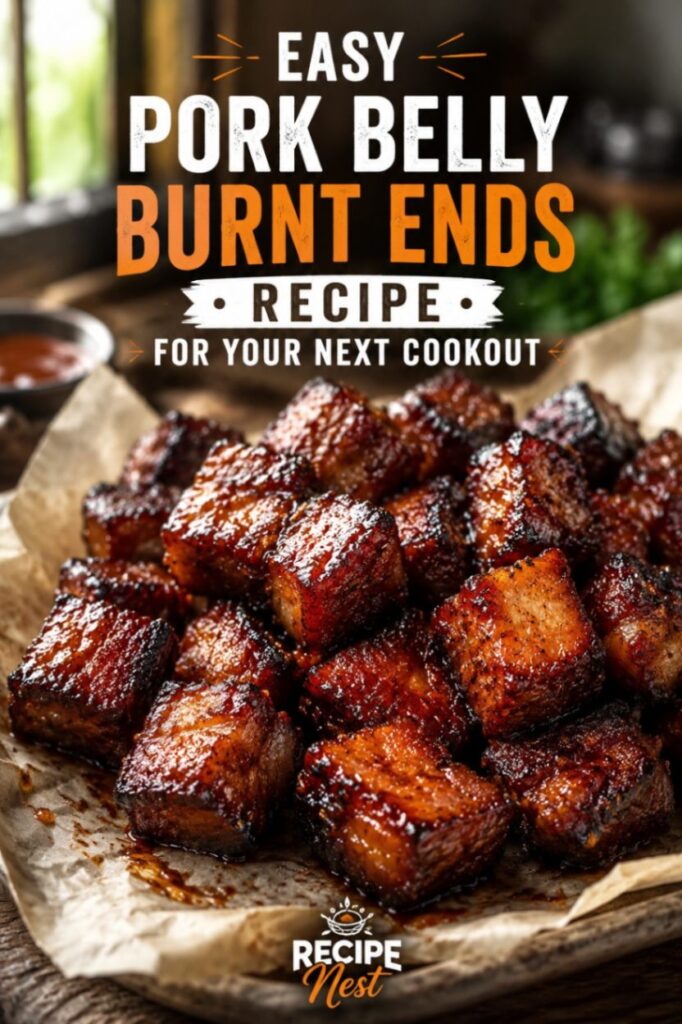
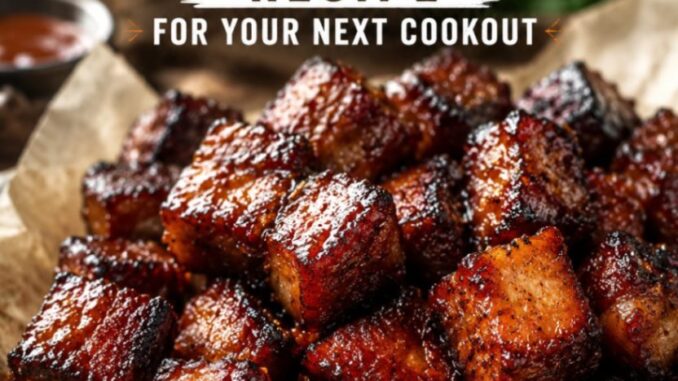
If you want to be the undisputed hero of your next backyard cookout, forget the standard burgers and hot dogs. There is a reason pitmasters call these little nuggets “meat candy.” When you smoke pork belly just right, the fat renders down into a melt-in-your-mouth texture, while the edges get incredibly caramelized and dark. It is the perfect balance of rich, savory, sweet, and smoky that disappears from the platter in a matter of minutes.
Making truly crispy pork belly burnt ends at home does not require a commercial smokehouse or a secret culinary degree. I have made these for summer block parties, autumn tailgates, and casual Sunday dinners, and the reaction is always the same: absolute silence while everyone chews, followed immediately by requests for the recipe. Let me walk you through the exact method I use to get that perfect balance of a rendered, tender interior and a beautifully sticky, caramelized exterior every single time.
Why This Method Beats the Standard BBQ Joint
Most people think you can only get great burnt ends from a beef brisket. While brisket ends are legendary, pork belly actually offers a higher fat content that makes the final product much more forgiving for the home cook. If you overcook brisket, it turns into shoe leather. If you give pork belly a little too much time, it just gets more tender.
This specific recipe focuses on getting that distinct texture without drying out the meat. We are going to smoke the cubes elevated on a wire rack first to let the heat circulate completely around each piece, creating a beautiful bark. Then, we braise them in a covered pan to tenderize the meat, and finally, we flash-caramelize them with a sweet glaze. It is a three-step process that guarantees success even if your smoker’s temperature fluctuates a bit.
What You Need to Bring to the Table
You do not need an endless list of exotic spices to make this dish pop. The magic lies in how the simple ingredients interact with the smoke and heat over several hours.
The Core Ingredients
-
Pork Belly (4 to 5 pounds): Look for a slab that has a good, even distribution of meat and fat layers. Avoid slabs that are entirely fat on one side; you want enough muscle structure to hold the cube together after hours of cooking. If it comes with the skin on, you will need to slice that off before cubing.
-
Sweet BBQ Rub (1/2 cup): Use your favorite store-bought brand or a simple homemade blend of brown sugar, paprika, garlic powder, onion powder, and black pepper. A rub with a decent amount of sugar helps create that dark, coveted crust.
-
Unsalted Butter (1 stick): Sliced into pats. This adds a velvety richness to the braising stage and helps create a smooth sauce.
-
Brown Sugar (1/4 cup): Light or dark works fine. This melts down during the braise to create the sticky glaze base.
-
Honey or Apple Cider (3 tablespoons): Adds a bright, distinct sweetness that cuts through the heavy fat of the pork.
-
Your Favorite BBQ Sauce (1 cup): Go with a classic Kansas City-style sauce—something sweet and slightly tangy. Avoid overly watery sauces, as they will not cling to the meat properly.
Smart Substitutions for the Home Cook
Do not stress if your local grocery store is missing a specific item. Flexibility is the sign of a confident cook.
-
The Pork: If you cannot find whole pork belly, ask the butcher behind the counter. They often have unsliced slabs in the back even if only sliced bacon is on display. If pork belly is completely unavailable, you can use a well-marbled pork butt cut into thick cubes, though it will not have the same buttery texture.
-
The Sweetener: Maple syrup or agave nectar can step in for the honey without sacrificing the final texture.
-
The Liquid: If you want a deeper flavor profile during the braise, swap the honey or cider for a splash of dark beer or apple juice.
Tools of the Trade
You do not need a twenty-foot offset smoker to pull this off. Any backyard setup that can maintain a steady, indirect heat will do the job perfectly.
-
A Reliable Smoker or Grill: Set up for indirect cooking at 250°F or 121°C.
-
Wood Chunks or Pellets: Fruitwoods like apple, cherry, or pecan pair beautifully with pork. They offer a sweet, subtle smoke that enhances the meat rather than overpowering it the way hickory or mesquite can.
-
A Sharp Chef’s Knife: Cutting through raw pork fat can be slippery work. A sharp blade ensures clean, even cubes.
-
A Wire Cooling Rack: Placing this inside a baking sheet makes moving dozens of tiny meat cubes on and off the smoker incredibly simple.
-
Disposable Aluminum Pan and Foil: Essential for the braising step. Trust me, you do not want to clean caramelized barbecue sugar off your high-end stoneware.
Step-by-Step Instructions
Follow these stages carefully. Each one serves a specific purpose in transforming tough, fatty pork into melt-in-your-mouth bites.
Step 1: The Prep and the Cube
Start by removing the skin from the pork belly if it is still attached. Take your time with a sharp knife, slicing just underneath the tough skin while leaving as much fat as possible.
Next, cut the slab into uniform 1.5-inch cubes. They might look large at first, but remember that pork belly contains a high percentage of water and fat that will render out, causing the cubes to shrink by nearly a third during the cooking process. If you cut them too small initially, they will turn into tiny, dry pebbles.
[ Aim for uniform 1.5-inch cubes so they all finish cooking at the exact same time. ]
Step 2: Season Generously
Generously coat all sides of the pork cubes with your BBQ rub. You do not need a binder like mustard unless the meat is incredibly dry out of the package; the natural moisture of the pork belly will cause the rub to stick perfectly within about ten minutes. Let the seasoned meat sit at room temperature while you fire up the smoker.
Step 3: The Initial Smoke
Preheat your smoker to 250°F (121°C) using your choice of fruitwood. Arrange the seasoned cubes on the wire cooling rack, leaving at least a half-inch of space between each piece. This space allows the smoke and heat to envelop every single side, building a uniform bark.
Place the rack in the smoker and close the lid. Let them smoke undisturbed for about 2.5 to 3 hours. Around the two-hour mark, start checking the color. You are looking for a deep, mahogany red hue and edges that are beginning to darken and firm up.
Step 4: The Braise for Tenderness
Once the cubes have achieved that beautiful dark color, transfer them into your disposable aluminum pan. They should be clustered together but mostly in a single layer.
Scatter the pats of butter, the brown sugar, and the honey evenly over the top of the meat. Cover the pan tightly with aluminum foil. This seal is crucial; it traps the steam, forcing the heat deep into the muscle fibers to break down the collagen and render the remaining fat. Put the covered pan back into the smoker for another 1.5 to 2 hours.
Step 5: The Glaze and Finish
Carefully remove the foil, watching out for the hot steam. The pork cubes should now feel incredibly tender when poked with a toothpick—almost like a marshmallow.
Drain off most of the accumulated liquid from the bottom of the pan, leaving just a couple of tablespoons to keep things moist. Pour your barbecue sauce over the ends, gently tossing them with a spoon until every piece is completely coated.
Leave the pan uncovered and return it to the smoker for a final 15 to 20 minutes. This allows the sauce to tighten up, bubble, and turn into a sticky, glossy glaze that locks in all the moisture. Remove from the heat and let them cool for 10 minutes before serving.
Expert Tips from a Home Cook
-
The Toothpick Test: Do not rely solely on a meat thermometer for this recipe. Because the cubes are small and contain alternating layers of fat and meat, temp readings can be inconsistent. Instead, insert a toothpick into the center of a few pieces. If it slides in and out with zero resistance, they are done.
-
Keep the Temp Steady: Resist the urge to crank the heat to speed things up. High heat will burn the sugar in the rub before the fat inside the pork has a chance to liquefy, leaving you with charred, chewy meat.
-
Watch the Sugar Content: If your rub is incredibly high in sugar, keep a closer eye on the initial smoke phase to ensure the edges do not cross the line from caramelized to burnt.
Common Mistakes to Avoid
-
Slicing the Cubes Too Small: As mentioned, these shrink significantly. Tiny cubes will dry out completely during the two-hour braise.
-
Skipping the Braise: Some cooks try to smoke the cubes uncovered the entire time. Without the covered braising step, the exterior will become tough and leathery before the interior fat renders fully.
-
Serving Immediately: The sugar in the glaze gets incredibly hot. Give them ten minutes on the counter to cool slightly; this also allows the sauce to set up perfectly.
Keeping and Reheating Your Leftovers
If you happen to have any leftovers—which rarely happens—they store incredibly well.
-
Storage: Keep the cooled burnt ends in an airtight container in the refrigerator for up to four days.
-
Reheating: Avoid the microwave, as it will cause the fat to separate and make the meat greasy. Instead, place them in an oven-safe dish, cover with foil, and warm at 300°F (149°C) for about 15 minutes until heated through. Remove the foil for the last three minutes to crisp up the edges again.
Estimated Nutrition Information
Per 4-ounce serving (estimates vary based on the specific cut of pork belly and sauce used):
| Nutrient | Amount |
| Calories | 420 |
| Total Fat | 34g |
| Saturated Fat | 12g |
| Cholesterol | 65mg |
| Sodium | 480mg |
| Total Carbohydrates | 14g |
| Sugars | 12g |
| Protein | 14g |
Leave a Reply