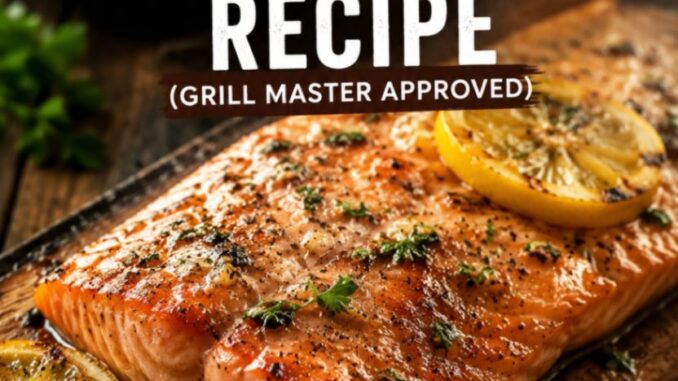
The Best Cedar Plank Salmon Recipe (Grill Master Approved)
If you’ve ever ended up with a dry piece of fish stuck to your grill grates, cedar plank grilling is about to change how you cook outdoors. The untreated wood acts as a natural barrier against harsh direct heat while gently infusing the fish with sweet, aromatic wood smoke that you simply can’t replicate in an oven.
I spent years wrestling with delicate fillets flaking through hot grates before I finally picked up a pair of cedar planks at my local hardware store. Once you master a few basic timing and temperature tricks, this becomes the most reliable, hands-off way to turn out tender, flaky salmon with a subtle wood-fired edge every single summer.
Why You’ll Love Cooking Salmon on a Cedar Plank
-
Zero Flaking into the Flames: The plank acts as a sturdy tray on the grill. You never have to worry about flipping delicate fish or scraping burnt skin off hot grates.
-
Built-in Moisture Control: As the wet cedar heats up, it steams the underside of the salmon while smoky air cooks the top, keeping the flesh moist from edge to edge.
-
Incredible Natural Aroma: Western red cedar releases essential oils as it smolders, giving the fish a sweet, earthy, campfire-like fragrance that pairs brilliantly with rich seafood.
-
Effortless Presentation: Serving the salmon right on the charred wood plank straight to the picnic table looks fantastic and keeps the fish hot while everyone sits down.
What You’ll Need: Key Ingredients
Great grilled seafood starts with fresh, quality ingredients that complement rather than overpower the natural taste of the fish.
+---------------------------+-----------------------+---------------------------------------------+
| Ingredient                | Quantity              | Primary Purpose                             |
+---------------------------+-----------------------+---------------------------------------------+
| Wild-Caught Salmon Side   | 2 to 2.5 lbs          | Whole side or individual cut skin-on fillets|
| Untreated Cedar Planks    | 2 boards (12-15 in)   | Wood grilling surface and natural smoke     |
| Pure Maple Syrup          | 3 tablespoons         | Provides subtle sweetness and rich glaze    |
| Whole Grain Dijon Mustard | 2 tablespoons         | Adds acidity, tang, and binds glaze         |
| Fresh Lemon Juice         | 1 tablespoon          | Cuts through the rich oils of the fish      |
| Garlic Powder             | 1 teaspoon            | Ground garlic distributes evenly without    |
|                           |                       | burning on the plank                        |
| Smoked Paprika            | 1 teaspoon            | Deepens color and enhances wood flavor      |
| Kosher Salt               | 1.5 teaspoons         | Draws out natural juices and seasons flesh  |
| Coarsely Ground Black     | 1/2 teaspoon          | Sharp, spicy contrast to sweet maple        |
| Pepper                    |                       |                                             |
| Fresh Dill or Chives      | 2 tablespoons, chopped| Bright green finish added right before      |
|                           |                       | serving                                     |
+---------------------------+-----------------------+---------------------------------------------+
Smart Ingredient Substitutions
You don’t need a pantry full of specialty items to make this work. Here is how to swap ingredients based on what you have in the kitchen:
-
Maple Syrup: Swap with equal parts raw honey or brown sugar mixed with a splash of warm water. Brown sugar creates a slightly thicker, darker crust under heat.
-
Dijon Mustard: If you don’t have whole grain Dijon, smooth Dijon works fine. Avoid plain yellow hot dog mustard, as the high vinegar content can overwhelm the salmon.
-
Salmon Varieties: King (Chinook) salmon is rich and forgiving due to its high fat content. Coho and Sockeye are leaner and cook faster—keep a close eye on your grill temperature if using Sockeye so it doesn’t dry out.
-
Fresh Herbs: Swap dill for chopped fresh parsley, tarragon, or green onions if you prefer a sharper herb taste.
Essential Equipment
Having the right setup makes the process smooth and keeps your backyard safe:
-
Food-Grade Cedar Planks: Use untreated, natural cedar boards specifically sold for grilling. Never use pressure-treated construction lumber from a home supply store, as it contains toxic chemical preservatives.
-
A Baking Sheet or Clean Bucket: Required for submerging the wood boards prior to grilling.
-
Spray Bottle Filled with Water: Keep this right next to your grill grates. Cedar can catch fire around the edges, and a quick spray controls flare-ups instantly.
-
Digital Instant-Read Meat Thermometer: Crucial for pulling the fish off the heat at the exact right moment.
-
Wide Metal Spatula: Helps slide the salmon off the skin cleanly when serving.
Step-by-Step Instructions for Perfect Cedar Plank Salmon
Step 1: Soak the Cedar Planks Thoroughly
Place your cedar boards in a wide baking dish, sink, or clean bucket. Cover them completely with warm water and weigh them down with two heavy mugs or cans so they stay submerged. Soak for at least 1 to 2 hours.
Why this matters: Dry cedar catches fire within minutes on a hot grill. Fully saturated wood steams from within, creating smoke rather than active flames.
Step 2: Prep and Season the Salmon
Remove the fish from its refrigerator packaging 20 minutes before cooking to take the chill off. Pat the top and bottom dry with paper towels. Check for tiny pin bones by gently running your fingertips down the center seam of the fish, pulling out any stray bones with clean tweezers.
In a small bowl, whisk together the maple syrup, Dijon mustard, fresh lemon juice, garlic powder, smoked paprika, kosher salt, and pepper until smooth. Brush two-thirds of this mixture evenly over the top of the salmon fillet, reserving the rest for a final glaze.
Step 3: Pre-Char the Boards on the Grill
Preheat your outdoor gas or charcoal grill to medium-high heat (roughly 375°F to 400°F).
Remove the soaked boards from the water and shake off excess moisture. Place the bare wood directly on the grates, close the lid, and let them heat for 3 to 5 minutes until you hear light crackling and smell fragrant wood smoke. Flip the boards over.
Pro Tip: Pre-charring the board warms the wood through so the bottom of the fish starts cooking immediately once placed on top.
Step 4: Position the Fish and Grill
Carefully place your seasoned salmon side skin-side-down onto the warm, charred side of the cedar boards.
Close the grill lid immediately to trap the smoke inside. Adjust your grill burner knobs to maintain a steady temperature around 375°F.
Step 5: Glaze and Monitor Doneness
Grill covered for 12 to 18 minutes, depending on fillet thickness.
At the 10-minute mark, open the lid and brush the remaining maple Dijon mixture over the top surface. Close the lid to let the glaze set into a sticky, shiny coating.
Insert a digital thermometer into the thickest part of the fillet:
-
125°F to 130°F: Medium (Silky, tender center—recommended for wild salmon)
-
135°F to 140°F: Medium-Well to Well-Done (Firm, opaque flesh throughout)
Step 6: Rest and Serve
Slide a wide spatula between the cooked flesh and the skin—the skin usually stays stuck to the blackened board, allowing you to lift off clean, intact portions of fish. Sprinkle chopped fresh dill across the top and serve warm with lemon wedges.
Expert Tips for Fire-Free, Juicy Grilling
-
Keep a Spray Bottle Handy: Direct heat can char the board edges. If you see open flames rising up around the wood, give those specific edges a light squirt of water to put out the flame without lowering the grill’s internal temperature.
-
Don’t Skip the Rest Period: Let the cooked salmon rest right on its warm plank on a heat-safe trivet for 5 minutes after pulling it off the flames. The juices will redistribute through the center of the fish.
-
Buy Skin-On Fillets: Salmon skin acts as an extra layer of insulation against heat spikes, keeping the delicate meat moist throughout the cook.
-
Soak in Salted or Seasoned Water: Try adding a handful of kosher salt, a cup of apple cider, or a couple of crushed garlic cloves to your board soaking water to boost the natural smoke aroma.
Common Cedar Plank Salmon Mistakes to Avoid
-
Forgetting to Soak the Planks Long Enough: Soaking for only 15 or 20 minutes leaves the interior of the wood dry. The board will catch fire quickly, scorching your fish before it cooks through.
-
Crank the Grill Heat Too High: Temperatures over 420°F burn the sugar in the maple glaze and cause the salmon’s natural protein (albumin) to squeeze out into unsightly white beads on top of the fish. Keep your grill near 375°F.
-
Overcooking the Salmon: Salmon continues cooking for a few minutes after it is removed from direct heat. Pull wild salmon off at 130°F; if you wait until it reaches 145°F on the grill grates, it will turn dry by the time it hits the plate.
-
Reusing Charred Boards: Planks absorb fish oils and charred residue during cooking. Reusing a board introduces rancid flavors and creates a fire hazard. Throw used boards away once cool.
Storing Leftovers the Right Way
Allow leftover salmon to cool down to room temperature within an hour of cooking.
-
Refrigeration: Flake the salmon or keep fillets intact and place them in an airtight glass container. Keep in the fridge for up to 3 days.
-
Freezing: Wrap individual portions tightly in plastic wrap, then seal them inside a heavy-duty freezer bag. Freeze for up to 2 months. Thaw overnight in the refrigerator before using.
How to Reheat Salmon Without Drying It Out
Reheating fish in a microwave often turns it rubbery and smells up the kitchen. Use these gentle warming methods instead:
-
Oven Method (Best Result): Preheat your oven to 275°F. Place the salmon on a rimmed baking sheet, sprinkle a teaspoon of water or broth over the top, and cover loosely with aluminum foil. Warm for 10 to 12 minutes until hot throughout.
-
Skillet Method: Heat a nonstick skillet over low heat with a teaspoon of butter or olive oil. Add the salmon, cover with a lid, and warm gently for 4 to 5 minutes.
-
Cold Application: Leftover cedar-planked salmon tastes incredible served cold. Flake it directly over crisp green salads, stir it into pasta salads, or fold it into morning scrambled eggs.
Leave a Reply