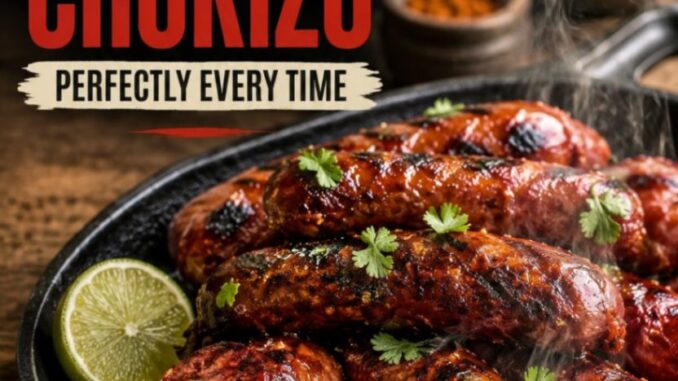
How to Grill Grilled Chorizo Perfectly Every Time
If you’ve ever tossed fresh chorizo links onto a piping hot grill only to end up with a sudden burst of flames, charred casings, and a raw center, you aren’t alone. Spanish and Mexican sausages carry a higher fat content and a rich blend of spices that make them notoriously tricky on an open fire, but when you hit the sweet spot, nothing on earth beats that smoky, snappy bite.
I’ve spent years tweaking my backyard setup to get this right. Once you understand how to control your grill’s temperature zones and respect the structure of fresh link sausage, learning how to grill grilled chorizo perfectly every time becomes second nature.
Why You’ll Love This Recipe
-
Crispy Casings with Juicy Centers: Using a two-zone heat technique guarantees the casing gets nicely browned and snappy without causing a flare-up that burns the exterior.
-
Foolproof Heat Management: You won’t have to stand over the grates panicking with a squirt bottle of water while grease drippings catch fire.
-
Versatile Meal Base: Smoked, fully cooked chorizo links make incredible main courses on toasted buns, but they also shine chopped up in taco spreads, grilled corn salads, or weekend breakfast hashes.
-
Minimal Prep: The sausages bring all the garlic, paprika, or chili punch to the table on their own, so you don’t need complicated marinades or dry rubs.
Ingredients
To get the best results on the grates, quality ingredients make all the difference. Here is what you need to gather:
-
Fresh Mexican Chorizo Links (1.5 to 2 pounds): Look for raw, uncooked sausage links wrapped in natural casings at your local butcher shop or Latin grocery store. Ensure you are purchasing links and not the loose bulk chub meat, which will simply fall through the grill grates.
-
Spanish Chorizo Links (Optional alternative): Fully cured Spanish chorizo is firm and ready to eat, but grilling cured links briefly warms them through and renders a bit of the paprika oil for a wonderfully crispy skin.
-
High-Heat Cooking Oil (1 to 2 tablespoons): Neutral oils like canola, avocado, or vegetable oil work best for oiling the grates so the sausage casings don’t stick or tear.
-
Crusty Hoagie Rolls or Warm Corn Tortillas: Essential for serving your grilled links right off the heat.
-
Fresh Lime Wedges: A quick squeeze of fresh lime juice right before serving cuts through the rich pork fat and brightens the deep chilies.
Ingredient Substitutions
-
Mexican Fresh Links vs. Spanish Cured Links: Mexican chorizo is raw pork sausage heavily seasoned with dried chilies, vinegar, and warm spices. Spanish chorizo is cured, dried, and seasoned heavily with smoked paprika (pimentón). You can grill either style using this guide, though cured Spanish chorizo requires far less time over the fire since it only needs to be heated through.
-
Pork vs. Chicken or Turkey Chorizo: If you prefer lighter meats, raw turkey or chicken chorizo links are widely available now. Because poultry has less fat, keep a close eye on internal temperatures so they do not dry out.
-
Casing Types: Natural hog casings render grease beautifully and yield that classic “snap” when bitten. Synthetic collagen casings work fine too, but they tend to burst faster if exposed to direct flames too early.
Equipment Needed
-
Gas or Charcoal Grill: A charcoal kettle grill yields the absolute best smoky flavor, but a standard gas grill with at least two burner controls gives you precise heat control.
-
Long-Handled Grill Tongs: Avoid using a fork at all costs. Piercing the casing with a fork allows juices and fats to run into the coals, causing massive flare-ups and leaving the sausage dry.
-
Instant-Read Digital Meat Thermometer: The single most crucial tool for cooking raw sausages accurately without cutting them open.
-
Paper Towels and Tongs for Oiling: Used to safely oil the hot grates before laying down the meat.
Step-by-Step Instructions
Step 1: Set Up Two-Zone Heating
Set up your grill for dual-zone cooking. If using a gas grill, turn one side to medium heat (around 320°F to 350°F) and leave the other burners off completely. If using charcoal, pile your lit briquettes onto one half of the lower grate, leaving the opposite side clean. This gives you a warm indirect heat zone to cook the interior through slowly, alongside a hot direct heat zone for sear marks.
Step 2: Clean and Oil the Grates
Brush your grates clean once the grill warms up. Fold a paper towel into a thick pad, dip it in neutral high-heat oil, hold it with long tongs, and wipe down the warm bars. Clean, oiled grates keep delicate sausage casings from sticking and tearing off when you flip them.
Step 3: Start on Indirect Heat
Place the cold chorizo links directly onto the cool side of the grill (no coals underneath, or over the unlit burners). Position them horizontally so they won’t slip between the bars. Close the grill lid. Let them roast in this warm chamber for about 12 to 15 minutes.
As they warm up, the internal fats gently render, and the meat cooks through without swelling so quickly that the casing rips.
Step 4: Check Internal Temperature
Open the lid and carefully insert an instant-read thermometer into the thickest part of a raw Mexican link, through the end of the sausage rather than through the side casing if possible. You are looking for an internal reading of 150°F before moving to direct heat.
Step 5: Sear Over Direct Heat for Color
Once the interior reaches 150°F, use tongs to gently slide the sausages over to the direct heat zone. Leave the lid off during this step. Roll the links every 30 to 45 seconds using your tongs.
The rendered fat will drip down, and the casings will turn a deep reddish-brown color with slight char marks. This stage takes roughly 2 to 4 minutes. Keep the sausage moving continuously so the drippings don’t catch fire and scorch the meat.
Step 6: Pull and Rest
Remove the chorizo from the grill as soon as the internal temperature hits 160°F for raw pork. Transfer the links to a warm plate or cutting board and tent lightly with foil. Let them rest undisturbed for 5 minutes. The internal juices will redistribute, bringing the final resting temperature up to a safe 165°F.
Expert Tips
-
Never Par-Boil in Water: Many old-school cooks like to boil sausages in beer or water before grilling, but doing this to fresh Mexican chorizo pulls out all the vinegar, bright red chilies, and flavorful oils. Stick strictly to the indirect grilling method to retain every drop of flavor inside the link.
-
Check the Ends: When inserting your digital probe, go in through the end knot of the sausage link. This preserves the structural integrity of the side casing and prevents fat from leaking out onto the fire.
-
Watch for “Sweating”: You can tell your sausages are getting close to finished on the indirect side when small beads of orange-tinted paprika oil begin to sweat through the pores of the casing.
Common Mistakes to Avoid
-
Pricking the Skin: Piercing sausages with a fork is the number one reason backyard cooks suffer flare-ups. Keep the fat locked inside until the meat rests.
-
Cooking Exclusively Over Direct Flames: Cooking raw chorizo directly over hot charcoal will char the exterior long before the raw ground pork center hits a safe temperature, resulting in burnt sausage with a raw middle.
-
Skipping the Resting Period: Slicing directly into a piping hot chorizo link straight off the grill causes the rendered juices to pour out instantly onto the cutting board, leaving the meat dry and crumbly.
Storage
-
Refrigeration: Store leftover cooked chorizo links in an airtight glass or plastic container in the refrigerator for up to 4 days.
-
Freezing: Wrap individual cooled links tightly in plastic wrap, then place them inside a heavy-duty freezer bag. Frozen cooked chorizo keeps its taste and texture for up to 3 months. Thaw frozen links in the fridge overnight before reheating.
Reheating
-
Skillet Method (Recommended): Slice cooked links into half-inch coins. Place them in a cold cast-iron skillet over medium heat. Cook for 5 to 6 minutes, stirring occasionally, until the edges get crispy and the meat is hot throughout.
-
Oven or Toaster Oven: Preheat to 350°F. Place whole links on a foil-lined baking sheet and heat for 8 to 10 minutes until warm inside.
-
Avoid the Microwave: Microwaving whole cooked sausages tends to make the natural casings tough, chewy, and rubbery.
Nutrition Information (Estimated)
Serving size: 1 grilled Mexican chorizo link (approx. 4 oz / 113g)
| Nutrient | Amount per Serving |
| Calories | 380 kcal |
| Total Fat | 32 g |
| Saturated Fat | 12 g |
| Sodium | 850 mg |
| Carbohydrates | 2 g |
| Dietary Fiber | 0 g |
| Protein | 19 g |
Note: Nutritional values will vary based on brand, butcher recipe, and meat blend.
Leave a Reply