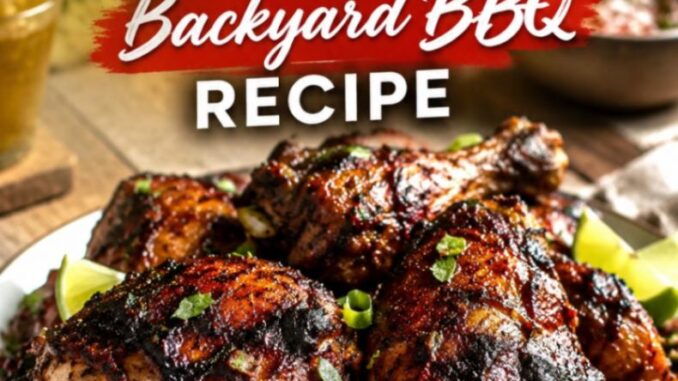
Jamaican Jerk Chicken: The Ultimate Backyard BBQ Recipe
The first time I made jerk chicken on my backyard grill, I set off the smoke detector, scorched the skin, and somehow left the inside raw. That was ten years ago, back when Recipe Nest was founded in 2015, and I assumed a splash of bottled marinade and high heat would do the trick. It took dozens of cookouts, a few singed eyebrows, and advice from a neighbor who grew up in Montego Bay to realize that real jerk chicken is all about patience, green onions, and live fire.
If you have ever ordered jerk chicken at a roadside stand and wondered why home versions rarely measure up, the secret isn’t a complex secret ingredient. It comes down to blending fresh aromatic herbs into a thick paste, letting the meat marinate long enough to actually absorb those deep flavors, and cooking over slow, indirect heat so the natural sugars caramelize without burning to ash.
Why You’ll Love This Recipe
-
Authentic smokehouse flavor without special equipment: You do not need a dedicated smoker or fresh pimento wood logs to get that deep, woody aroma on a standard kettle grill.
-
Balanced spice profile: While scotch bonnet peppers bring heat, the blend of fresh ginger, garlic, thyme, and warm allspice creates a layered flavor where the heat enhances the dish rather than overwhelming it.
-
Crispy, caramelized skin: By slowly cooking over indirect heat before finishing over open coals, the marinade forms a crisp, charred crust while keeping the meat juicy inside.
-
Flexible prep schedule: The marinade takes five minutes in a blender, and the chicken benefits from sitting overnight, making this ideal for party prep.
Ingredients
For the Jerk Marinade
-
10 whole scallions (green onions): Coarsely chopped. Use both the white and dark green parts—they form the flavorful base of the marinade paste.
-
3 to 4 Scotch bonnet peppers: Seeded for moderate heat, or kept whole with seeds for authentic fiery heat. Habenero peppers are an exact match if Scotch bonnets aren’t in your local market.
-
1 medium yellow onion: Rough chopped.
-
6 garlic cloves: Peeled and smashed.
-
2 tablespoons fresh thyme leaves: Fresh thyme is essential here; dried thyme lacks the bright herbaceous punch needed to cut through the spice.
-
2 tablespoons fresh ginger: Peeled and sliced against the grain.
-
1 tablespoon ground pimento (allspice berries): Freshly ground whole berries produce a significantly better aroma than pre-ground allspice.
-
1 teaspoon freshly grated nutmeg
-
½ teaspoon ground cinnamon
-
1 tablespoon dark brown sugar: Helps create that characteristic dark, sticky crust on the grill.
-
1 tablespoon soy sauce: Provides deep savory umami and helps season the meat evenly.
-
Juice of 2 fresh limes: The acid softens the meat fibers and brightens the heavy spices.
-
¼ cup neutral oil: Vegetable or canola oil helps bind the paste and coats the meat evenly.
-
1 tablespoon coarse kosher salt
-
1 teaspoon cracked black pepper
For the Chicken
-
4 to 5 pounds bone-in, skin-on chicken pieces: A mix of drumsticks, thighs, and split breasts works best. Bone-in cuts withstand long grill times without drying out.
Ingredient Substitutions
-
Scotch Bonnet Peppers: If you cannot find Scotch bonnets, use fresh habanero peppers. They share the same fruity undertone and heat level. For a milder version, substitute two jalapenos or serranos.
-
Fresh Thyme: If fresh thyme is unavailable, use 2 teaspoons of dried thyme, but rehydrate it in the lime juice for ten minutes before blending.
-
Dark Brown Sugar: Pure maple syrup or dark molasses can step in if your pantry is out of brown sugar.
-
Soy Sauce: Tamari or coconut aminos work well as gluten-free alternatives.
Equipment Needed
-
High-powered blender or food processor: To blend the aromatics into a paste.
-
Charcoal grill or gas grill: A kettle-style charcoal grill offers the most authentic smoky character.
-
Wood chips: Allspice wood chips are traditional, but hickory or applewood chips provide a fantastic smoky depth.
-
Meat thermometer: An instant-read digital thermometer guarantees safe doneness without slicing open the meat and draining juice.
-
Long grill tongs and heat-resistant gloves
Step-by-Step Instructions
Step 1: Blend the Jerk Paste
Combine the chopped scallions, yellow onion, Scotch bonnet peppers, garlic, ginger, fresh thyme, ground allspice, nutmeg, cinnamon, brown sugar, soy sauce, lime juice, oil, salt, and black pepper in your blender. Pulse until a thick, textured paste forms. Avoid over-blending into a liquid puree—you want tiny specks of herbs and peppers visible in the paste.
Kitchen Tip: Wear disposable gloves when handling Scotch bonnet peppers. The capsaicin sticks to your skin and will sting if you touch your eyes or face later.
Step 2: Score and Marinate the Chicken
Pat the chicken pieces completely dry with paper towels. Wet meat steams instead of searing. Using a sharp knife, make two shallow cuts across the skin side of each piece, cutting just deep enough to reach the meat without severing it.
Place the chicken in a large glass dish or heavy-duty sealable plastic bag. Pour three-quarters of the jerk paste over the meat, reserving the remaining quarter in a sealed container in the fridge for basting later. Rub the paste into every cut and under the skin. Seal tightly and refrigerate for at least 6 hours, preferably 12 to 24 hours.
Step 3: Prepare the Grill for Two-Zone Cooking
Set up your grill for indirect cooking. If using a charcoal grill, light a chimney of charcoal and dump the hot coals on one side of the grill grate, leaving the other side completely empty. Place a drip pan under the cool side. Cover the grill with the vent half-open and let the internal temperature reach 350°F to 375°F.
Toss a handful of soaked wood chips onto the lit coals right before placing the chicken on the grate.
Step 4: Slow-Roast Over Indirect Heat
Remove the chicken from the marinade, shaking off excess thick clumps so they don’t burn immediately. Arrange the chicken pieces skin-side up on the cool side of the grill (indirect heat). Cover the grill with the lid vents positioned directly over the chicken to draw smoke across the meat.
Cook for 35 to 45 minutes without lifting the lid unnecessarily. The heat will steadily cook the meat while the smoke penetrates the skin.
Step 5: Baste and Crisp Over Direct Heat
Brush the reserved fresh jerk paste over the chicken pieces during the last 15 minutes of indirect cooking.
Once the thickest part of the thigh reaches 165°F on an instant-read thermometer, move the chicken pieces over to the hot side of the grill (direct heat). Sear skin-side down for 2 to 3 minutes until the skin turns deep golden-brown with dark, smoky char marks. Watch carefully—the sugar in the marinade can turn charred to blackened quickly if unattended.
Step 6: Rest and Serve
Transfer the chicken to a warm cutting board or platter and tent loosely with foil. Let it rest for 10 minutes before serving. This allows the internal juices to redistribute throughout the meat rather than running out onto the board.
Expert Tips
-
Don’t skip the night in the fridge: A short 30-minute marinade only coats the exterior. An overnight marinade allows the salt and acid to season the meat deep near the bone.
-
Control flare-ups with two zones: Fat rendering off skin-on chicken will ignite open flame instantly. Keeping the meat on the indirect side prevents acrid soot from ruining the flavor.
-
Use whole allspice berries: Pre-ground allspice loses its aromatic oils quickly on pantry shelves. Grinding whole berries in a spice grinder makes a noticeable difference in the finished sauce.
Common Mistakes to Avoid
-
Cooking directly over open coals the entire time: High direct heat cooks the outside before the meat near the bone is done, leaving you with burnt skin and raw center meat.
-
Washing the chicken: Rinsing raw poultry spreads bacteria across your sink and countertops. Patting the skin dry with paper towels is cleaner and produces far crispier skin.
-
Removing all the pepper seeds if you want heat: The seeds and white inner ribs contain most of the heat in Scotch bonnets. Adjust heat levels by removing or retaining the seeds rather than omitting the pepper entirely.
Storage
-
Refrigerator: Store leftover cooked chicken in an airtight container for up to 4 days.
-
Freezer: Freeze cooked chicken pieces wrapped tightly in foil and placed inside a freezer bag for up to 3 months. Thaw overnight in the refrigerator before reheating.
Reheating
To keep the skin crisp and the meat moist, reheat leftovers in an oven preheated to 350°F. Place the chicken on a wire rack set inside a baking sheet and bake for 15 to 20 minutes until warmed through. Avoid microwaving if possible, as it turns the skin rubbery and tough.
Nutrition Information (Estimated)
Serving Size: 1 quarter chicken piece (thigh and leg or split breast)
| Nutrient | Amount |
| Calories | 420 kcal |
| Total Fat | 24g |
| Saturated Fat | 6g |
| Sodium | 680mg |
| Carbohydrates | 8g |
| Dietary Fiber | 2g |
| Sugars | 4g |
| Protein | 41g |
Note: Nutritional values are estimates based on standard ingredients and bone-in skin-on chicken weight.
Leave a Reply