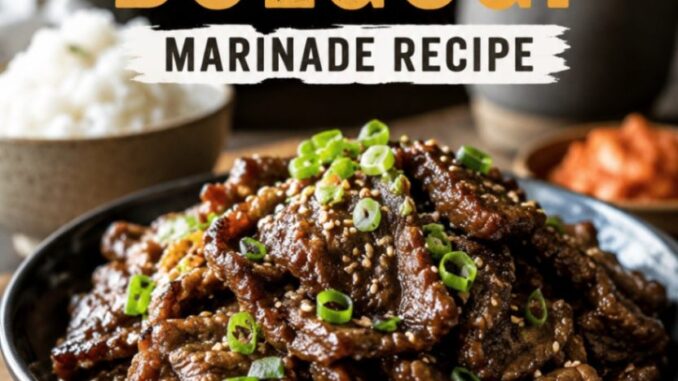
The Best Korean BBQ Bulgogi Marinade Recipe
If you have ever sat at a traditional Korean barbecue restaurant, listening to thin ribbons of beef sizzle over open flames while rich, sweet, and savory aromas waft through the room, you know the magic of bulgogi. Literally translating to “fire meat,” bulgogi (불고기) is arguably one of Korea’s most beloved culinary exports.
While going out for K-BBQ is an unforgettable social experience, making incredible bulgogi at home is surprisingly accessible. The entire dish hinges on a single, crucial element: the marinade.
A truly great bulgogi marinade does far more than season the meat on the surface. It tenderizes thin slices of beef down to the muscle fibers, creates a sticky, caramelized crust when it hits a hot pan, and strikes an intricate balance between salty, sweet, nutty, aromatic, and savory notes.
Here is everything you need to know to craft the absolute best Korean BBQ bulgogi marinade in your own kitchen, complete with essential guidelines, flavor chemistry secrets, and step-by-step techniques to guarantee perfection every single time.
The Secret Ingredient: Enzymatic Tenderizing
Before diving into the ingredient list, we have to talk about the one component that separates amateur bulgogi from restaurant-quality bulgogi: grated fruit.
Traditional Korean cooks use Asian pear (Bae). Asian pears contain an enzyme called calpain, a natural protease that breaks down meat proteins, turning thin cuts of beef exceptionally tender without making them soft or mushy.
What if you can’t find Asian pear?
Asian pears are round, crisp, and look somewhat like a cross between a yellow apple and a pear. If your local Asian market or grocery store doesn’t carry them, here are the best substitutes:
-
Bosc or Anjou Pear: Very close in flavor and moisture content, though slightly sweeter.
-
Fuji or Gala Apple: Excellent sweetness and acidity balance.
-
Kiwi Fruit: Extremely effective tenderizer. However, kiwi enzymes are aggressive; use only two tablespoons of grated kiwi for a standard batch, or the beef will turn soft if left too long.
Essential Ingredients Breakdown
To build a deeply flavored marinade, every ingredient must serve a specific purpose. Here is the magic lineup for a standard batch (designed for 1.5 to 2 pounds of sliced beef):
1. The Base: Soy Sauce
-
Quantity: 1/2 cup
-
Function: Soy sauce provides the fundamental salty, umami-rich base. Standard Korean or Japanese soy sauce (Kikkoman or Sempio) works best here. Avoid dark soy sauce, which is overly viscous and intense, or low-sodium soy sauce, which dilutes the flavor profile required for quick cooking.
2. The Sweetness: Brown Sugar & Mirin
-
Quantity: 3 tablespoons brown sugar + 2 tablespoons mirin (sweet rice wine)
-
Function: Sugar balances the high sodium of the soy sauce and is responsible for the deep caramelization when the meat hits high heat. Brown sugar adds a faint molasses warmth, while mirin adds a clean, subtle brightness and alcohol that helps eliminate any gamey notes from the beef.
3. The Aromatomics: Garlic, Ginger, and Green Onions
-
Quantity: 6 cloves garlic (minced), 1 teaspoon fresh ginger (finely grated), 4 stalk green onions (thinly sliced)
-
Function: Korean cuisine never holds back on garlic. Mincing fresh garlic and grating fresh ginger infuses the oil and liquid with sharp, aromatic warmth. Green onions add fresh bite and visual texture.
4. The Tenderizer & Moisture: Asian Pear & Onion
-
Quantity: 1/2 grated Asian pear + 1/2 small yellow onion (grated or pureed)
-
Function: The pear tenderizes and adds natural fruit sweetness, while the onion provides savory depth and moisture that keeps the meat juicy during a fast, high-heat sear.
5. The Finishing Touches: Toasted Sesame Oil & Black Pepper
-
Quantity: 2 tablespoons toasted sesame oil + 1/2 teaspoon freshly cracked black pepper
-
Function: Pure toasted sesame oil gives bulgogi its signature nutty aroma. Black pepper adds a gentle, sharp background kick that cuts through the richness of the beef.
The Master Marinade Recipe & Guidelines
Ingredients Summary
-
1/2 cup soy sauce
-
1/2 Asian pear, peeled and grated (or pureed)
-
1/2 yellow onion, grated or pureed
-
3 tablespoons dark or light brown sugar
-
2 tablespoons mirin (sweet cooking wine)
-
2 tablespoons 100% toasted sesame oil
-
6 cloves garlic, finely minced
-
1 teaspoon fresh ginger, finely grated
-
4 green onions, chopped finely
-
1/2 teaspoon freshly ground black pepper
-
1 tablespoon toasted sesame seeds (optional, for garnish)
Preparation Steps
-
Grate the Aromatics: Using a box grater or microplane, grate the Asian pear and yellow onion into a large mixing bowl. Alternatively, blitz the pear, onion, garlic, and ginger together in a food processor until smooth.
-
Combine the Liquids: Add the soy sauce, brown sugar, mirin, and toasted sesame oil to the bowl. Whisk vigorously until the brown sugar is completely dissolved.
-
Fold in Fresh Elements: Stir in the minced garlic, grated ginger, sliced green onions, and cracked black pepper.
-
Taste Test: Before adding your meat, dip a spoon into the marinade. It should taste strongly savory, sweet, fragrant, and slightly intense. Remember, this marinade must season the entire batch of beef, so it should be bold!
Guidelines for Meat Selection & Preparation
Even the best marinade cannot save an improperly sliced piece of meat. Follow these essential guidelines to select and prep your beef like a pro:
1. Choosing the Right Cut
-
Ribeye: The absolute gold standard for bulgogi. Ribeye has optimal intramuscular fat (marbling), keeping each slice juicy and decadent.
-
Top Sirloin / Tenderloin: Great alternatives if you prefer a leaner bite that remains naturally tender.
-
Flank Steak or Skirt Steak: Flavorsome cuts, but they must be sliced thin against the grain to prevent chewiness.
2. Slicing Paper-Thin
Bulgogi requires slices that are roughly 1/16 inch to 1/8 inch thick.
-
The Freezer Trick: Place your cut of beef in the freezer for 30 to 45 minutes before slicing. Firming up the meat stops it from squishing under your knife, allowing you to slice paper-thin sheets effortlessly.
-
Slice Against the Grain: Look for the direction of the muscle fibers running through the meat and cut across them. Slicing against the grain shortens the fibers, ensuring every bite melts in your mouth.
Marinating Guidelines: Timing & Safety
Marinating times for bulgogi are quite different from thick steaks or roasts because the meat is sliced so thinly.
-
Minimum Time: 30 minutes at room temperature (or 1 hour in the refrigerator). Because the slices are so thin, the flavors penetrate quickly.
-
Optimal Time: 2 to 4 hours in the refrigerator. This gives the fruit enzymes plenty of time to tenderize the muscle fibers and allows the aromatics to settle deeply into the meat.
-
Maximum Time: 12 hours. Do not marinate thinly sliced beef for longer than 12 hours, especially if using strong fruit enzymes like pear or kiwi. Beyond this mark, the proteins begin to break down too much, resulting in a mushy texture.
Crucial Tip: Always marinate your meat inside a sealable glass container, stainless steel bowl, or heavy-duty zip-top bag in the refrigerator. Avoid aluminum containers, as acidic and salty marinades can react with reactive metals.
How to Cook Bulgogi for Maximum Flavor
Now that your meat is marinated to perfection, how you cook it matters just as much as how you prepped it. The goal is high-heat searing to create caramelized edges.
Method 1: The Cast Iron Skillet or Stainless Steel Pan (Indoor)
-
Get your skillet smoking hot over medium-high heat. Add a tablespoon of neutral oil with a high smoke point (like canola, avocado, or grapeseed oil).
-
Do Not Overcrowd the Pan: Work in small batches. Lay the beef slices flat in a single layer. If you dump all the meat in at once, the pan temperature drops, causing the meat to steam in its own juices rather than sear.
-
Sear without moving the meat for 1 to 2 minutes until caramelized edges form. Flip and cook for another 1 minute until fully cooked through.
-
Transfer cooked batches to a plate and repeat with remaining meat.
Method 2: Outdoor Grill / K-BBQ Table Grill
-
Heat your grill or stovetop grill plate to high heat.
-
Lightly oil the grates or plate.
-
Lay the thin slices across the grates. Because of the sugar and oil content, watch for minor flare-ups. Cook quickly for about 1 to 2 minutes per side until charred on the edges.
Traditional Serving Suggestions
Bulgogi is rarely eaten plain; it is meant to be part of a vibrant, interactive spread. Serve your fresh bulgogi alongside:
-
Short-Grain White Rice: Sticky, tender steamed rice balances the rich sweetness of the meat.
-
Lettuce Wraps (Ssam): Fresh red leaf lettuce, butter lettuce, or perilla leaves make clean, crisp wraps for the warm beef.
-
Ssamjang: A traditional Korean wrap sauce made from fermented soybean paste (doenjang), chili paste (gochujang), sesame oil, and garlic. A small dab inside a lettuce wrap ties everything together.
-
Kimchi & Banchan: Serve with classic cabbage kimchi, seasoned spinach, bean sprouts, and pickled radishes to cut through the richness.
Pro Tips for Meal Prep and Storage
-
Freezer-Friendly Prep: You can combine the raw sliced beef and marinade together in a freezer-safe zip-top bag, squeeze out all the air, and freeze it immediately. The meat will marinate as it freezes and as it thaws in the fridge overnight when you are ready to cook it!
-
Storing Leftovers: Cooked bulgogi keeps well in an airtight container in the refrigerator for up to 3 days. Reheat quickly in a hot skillet for 1 minute to preserve its tenderness.
By mastering this marinade ratio and respecting the techniques of thin slicing and high-heat cooking, you can skip the restaurant wait times and bring authentic, mouthwatering Korean BBQ directly to your dining table.
Leave a Reply