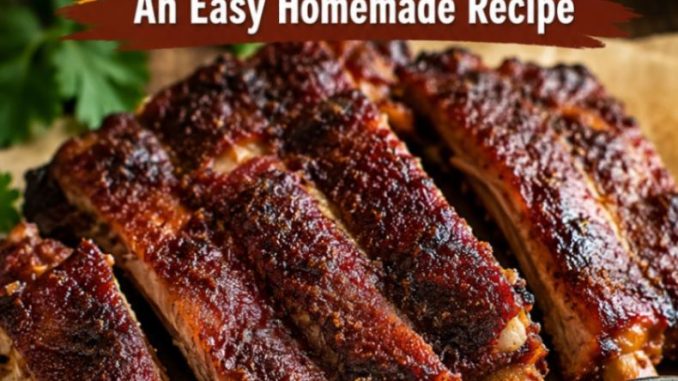
Brown Sugar Rib Rub: The Easy Homemade Recipe for Perfect BBQ
There is something inherently satisfying about gathering around a table piled high with a rack of tender, smoky ribs. Whether you are firing up an offset smoker on a crisp weekend morning or using your backyard grill for a quick summer dinner, ribs hold a special place in the pantheon of outdoor cooking. But ask any seasoned pitmaster or weekend griller what truly elevates a good rack of ribs into an unforgettable meal, and you will get the same answer: the rub.
While sauces often steal the spotlight at the dinner table, the spice rub is the unsung hero of great barbecue. It is the very first layer of flavor that penetrates the meat, creating that legendary, dark, savory crust known as the “bark.”
While store-bought spice blends are convenient, they often fall short. Many commercial rubs are loaded with excessive salt, artificial anti-caking agents, and mysterious “flavor enhancers” that obscure the natural taste of the pork.
Making your own custom Brown Sugar Rib Rub at home gives you total control over the flavor profile, allows you to adjust the heat and salt levels to your personal preference, and costs a fraction of the price.
Here is everything you need to know about crafting the ultimate homemade brown sugar rub, why each ingredient matters, and how to apply it for competition-worthy results every single time.
Why Brown Sugar is the Undisputed King of Rib Rubs
Pork and sweet flavors are a classic pairing, but brown sugar does far more than just sweeten the meat. In the realm of low-and-slow barbecue, brown sugar serves several critical culinary functions:
-
Bark Formation: As the ribs cook, the moisture from the meat dissolves the sugar crystals. Over hours of exposure to gentle heat and smoke, this sugar caramelizes, fusing with the spices and rendered fat to create a thick, flavorful crust (bark) that locks in juices.
-
Flavor Balance: Pork rib meat has a rich, fatty, and savory profile. The molasses notes in brown sugar provide a complex sweetness that cuts through the richness and balances the sharp heat of spices like cayenne and black pepper.
-
Color Enhancement: Caramelized brown sugar gives smoked ribs that deep, mahogany-red hue that makes them look as incredible as they taste.
The Ultimate Brown Sugar Rib Rub Recipe
This balanced recipe strikes the perfect harmony between sweet, savory, smoky, and subtle heat. It works brilliantly on baby back ribs, St. Louis cut ribs, spare ribs, and even pork chops or pulled pork shoulder.
Ingredients Yield
This recipe makes roughly 1.5 cups of rub, which is enough to generously coat 3 to 4 full racks of ribs.
Ingredients List
-
1/2 cup Dark Brown Sugar (packed)
-
1/4 cup Sweet Paprika (or Smoked Paprika for extra smokiness)
-
2 tablespoons Coarse Kosher Salt
-
1 tablespoon Coarse Black Pepper (freshly cracked preferred)
-
1 tablespoon Garlic Powder
-
1 tablespoon Onion Powder
-
1 teaspoon Chili Powder
-
1 teaspoon Dried Oregano
-
1/2 teaspoon Cayenne Pepper (adjust based on heat preference)
Ingredient Breakdown: Understanding the Flavor Matrix
A truly great rib rub isn’t just a random collection of spices pulled from the pantry; it is a calculated balance of four fundamental flavor pillars: Sweet, Salt, Savory/Aromatic, and Heat/Smoke.
1. The Sweet Base: Dark Brown Sugar
Dark brown sugar contains more natural molasses than light brown sugar, offering a deeper, slightly sticky flavor profile with rich caramel notes. It adds body to the spice blend and creates an unbeatable texture on the outer edge of the meat.
2. The Color and Smoke: Paprika
Paprika provides the vibrant red foundation of the rub. Using standard sweet paprika gives you a mild, earthy base. If you are cooking on a gas grill or oven where natural smoke is minimal, swapping in smoked paprika is a great way to replicate an authentic wood-fired flavor.
3. The Flavor Enhancer: Kosher Salt
Salt is vital because it acts as a vehicle that carries flavor deep into the muscle tissue of the pork. Always opt for coarse kosher salt rather than fine table salt. Fine salt packs much tighter, making it easy to accidentally oversalt your meat.
4. The Aromatics: Garlic and Onion Powder
Garlic and onion powder provide the savory backbone (umami) of the rub. They bind the sweet and spicy elements together, ensuring the rub tastes like a complete meal rather than sweet candy with a bite.
5. The Heat: Black Pepper, Chili Powder, and Cayenne
A good rub needs balance. The sharp, woody bite of coarse black pepper combined with earthy chili powder grounds the sweetness of the sugar. A pinch of cayenne pepper introduces a warm, lingering heat on the back of the palate without overpowering the delicate meat.
Step-by-Step Instructions
Creating this rub requires no special skills, but a few subtle techniques will ensure your blend stays fresh and mixes evenly.
Step 1: Break Up the Sugar
Because brown sugar contains moisture from molasses, it naturally tends to clump. Measure out your dark brown sugar into a large mixing bowl and break up any hard lumps using a fork, a whisk, or simply by crushing them between your fingers.
Step 2: Combine the Dry Spices
Add the paprika, kosher salt, black pepper, garlic powder, onion powder, chili powder, oregano, and cayenne pepper directly into the bowl with the sugar.
Step 3: Whisk Thoroughly
Whisk all the ingredients together vigorously for at least 60 seconds. Ensure the spices are evenly distributed throughout the brown sugar so that every pinch delivers a balanced ratio of flavors.
Step 4: Storage
If you are not using the rub immediately, transfer it to an airtight container or a glass mason jar. Store it in a cool, dry place away from direct sunlight.
Pro Tip: Because brown sugar contains moisture, the rub can harden over time. Adding a small terra-cotta sugar saver disk or keeping a food-grade desiccant packet in the jar will keep the spice mix loose and easy to sprinkle.
How to Apply the Rub for Maximum Flavor
Having a stellar rib rub is only half the battle; how you prepare the meat and apply the seasoning determines the final texture and taste.
1. Remove the Membrane (Silver Skin)
Before applying any rub, flip your rack of ribs bone-side up. Locate the thin, shiny membrane covering the bones. Slide a dull butter knife under the membrane to lift it, grab it with a paper towel for grip, and peel it off completely. Leaving this membrane on prevents the rub and smoke from penetrating the backside of the rack and results in a tough, chewy bite.
2. Use a Binder (Optional but Recommended)
To help the rub stick tightly to the raw meat, apply a paper-thin layer of a liquid binder. Common binders include yellow mustard, olive oil, or apple cider vinegar. Yellow mustard is a favorite among pitmasters—don’t worry, the mustard flavor completely cooks off, leaving behind a tacky surface that holds the spices in place.
3. Season High and Generously
Hold your hand roughly 10 to 12 inches above the ribs as you sprinkle the rub. Seasoning from a height ensures an even, consistent coating without heavy clumps. Cover the back first, then flip and coat the fleshy top side, including the sides and ends of the rack.
4. Pat, Don’t Rub
Despite the name “rub,” you shouldn’t aggressively rub the spices into the meat, as this can tear the muscle fibers and create an uneven distribution. Instead, sprinkle the blend liberally and gently pat it into the surface with your hands so it adheres to the binder.
5. Let It Rest Before Cooking
Once the ribs are coated, let them sit at room temperature for 15 to 30 minutes before putting them on the smoker or grill. As the salt draws out surface moisture, the brown sugar and spices will melt into a glossy liquid glaze. This process, often called “sweating,” helps the rub bond directly to the meat fibers, ensuring your bark won’t flake off during the cook.
Customizing Your Rub: Easy Variations
One of the greatest benefits of making your own spice blends is flexibility. You can tweak this core recipe to match your personal taste profile or cooking style:
-
For Extra Heat: Double the cayenne pepper to 1 teaspoon and add 1/2 teaspoon of crushed red pepper flakes or chipotle powder for a smoky, spicy kick.
-
For a Texas-Style Twist: Reduce the brown sugar by half and double the coarse black pepper to create a bolder, savory profile that lets the meat and wood smoke take center stage.
-
For an Herbal Touch: Add 1 teaspoon of dried thyme or dried rosemary, which pairs exceptionally well if you plan to wrap your ribs in butter and honey mid-cook.
-
For Deep Coffee Notes: Add 1 tablespoon of finely ground dark roast coffee. Coffee adds a rich, dark color to the bark and a sophisticated, slightly bitter contrast to the sweet brown sugar.
Final Thoughts
Mastering outdoor cooking is all about taking control of the variables, and ditching pre-packaged, mass-produced rubs is one of the easiest upgrades you can make. This easy brown sugar rib rub delivers the ideal combination of sweet caramelization, aromatic depth, and gentle heat that enhances the pork without overpowering it.
The next time you pick up a rack of ribs from the market, skip the spice aisle at the grocery store. Spend five minutes in your own kitchen mixing up this custom rub, fire up your grill, and get ready to serve the best ribs your backyard has ever seen.
Leave a Reply