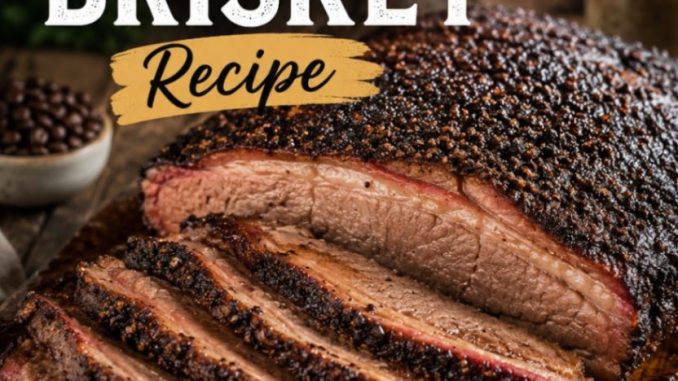
The Best Coffee Rub for Brisket: Unlocking Deeper Flavor, Superior Bark, and Incredible Tender Meat
There is a subtle art to smoking a brisket. Anyone who has spent a long night tending an offset smoker, watching temperatures hover between 225°F and 250°F, knows that success comes down to a series of small, intentional choices. You carefully trim the fat cap, manage your wood fire for clean blue smoke, and wait patiently for that crucial stall to pass.
Yet, long before the meat ever touches the grates, one decision sets the entire trajectory of your cook: the rub.
While classic Texas-style brisket relies almost exclusively on equal parts coarse kosher salt and 16-mesh black pepper, modern pitmasters have embraced an ingredient that elevates smoked beef to a whole new level: ground coffee.
A well-crafted coffee rub does not make your brisket taste like an espresso shot. Instead, it works behind the scenes to create a dark, mahogany-black bark, tenderize the muscle fibers, and deliver a rich, savory depth that traditional rub combinations simply cannot match.
Here is a deep dive into why coffee works so well on brisket, how to build the ultimate coffee rub from scratch, and the key principles for applying it to achieve barbecue perfection.
Why Coffee Belongs on Smoked Brisket
To understand why coffee rub is so effective, you have to look at how flavor and chemistry interact during a low-and-slow smoke.
1. Natural Meat Tenderization
Coffee beans are inherently acidic, typically floating around a pH of 4.8 to 5.1. When finely ground coffee is applied to the surface of raw beef brisket, those natural acids go to work immediately. They subtly break down tough surface proteins and connective tissues, allowing moisture to penetrate deeper while tenderizing the outer layers of the brisket before the heat even takes over.
2. Flavor Synergy with Beef Fat
Beef brisket—especially the point muscle—is rich in intramuscular fat. As that fat renders during a 12-to-16-hour smoke, it needs bold, sharp flavors to cut through the heavy richness. Coffee contains earthy, bitter, and roasted notes that pair naturally with rendered beef tallow. Rather than overpowering the meat, the bitterness of the coffee neutralizes greasy heavy notes, leaving behind a deep, dark, umami-rich flavor profile.
3. Accelerated Bark Formation
Every pitmaster strives for a thick, crunchy, flavorful bark. Bark is the product of two simultaneous processes: the Maillard reaction (the chemical reaction between amino acids and reducing sugars) and the caramelization of rub ingredients. Coffee contains natural sugars and roasted compounds that react rapidly with smoke and heat. This helps form a rich, dark crust much faster and more reliably than standard salt-and-pepper mixtures.
The Perfect Coffee Rub Recipe for Brisket
A great coffee rub requires a precise balance. Too much coffee can turn bitter; too much sugar will burn before the brisket is cooked through. The following recipe balances heat, sweet, salt, and earthiness for a perfectly rounded flavor profile.
Yield:
-
Makes approximately 1.5 cups of rub (sufficient for one full-packer brisket weighing 12 to 16 pounds).
Ingredients:
-
1/3 cup Medium-Fine Ground Coffee (preferably a dark or medium roast, fresh-ground)
-
1/3 cup Dark Brown Sugar (packed)
-
1/4 cup Coarse Kosher Salt (such as Diamond Crystal)
-
1/4 cup 16-Mesh Coarse Black Pepper
-
2 tablespoons Smoked Paprika
-
1 tablespoon Dark Chili Powder
-
1 tablespoon Garlic Powder
-
1 tablespoon Onion Powder
-
1 teaspoon Cumin
-
1/2 teaspoon Cayenne Pepper (optional, for a subtle kick of heat)
Understanding the Role of Each Ingredient
Every component in this mix serves a specific purpose in the smoking process:
-
Medium-Fine Ground Coffee: The star of the show. It provides the earthy backbone, aids in bark development, and enhances the natural flavor of the beef.
-
Dark Brown Sugar: Adds a touch of sweetness to balance the bitterness of the coffee and the heat of the spices. It also caramelizes during the long cook, helping stick the rub to the meat and building a glaze-like crust.
-
Coarse Kosher Salt: Essential for drawing out moisture, seasoning the interior meat, and creating a dry surface for smoke retention.
-
16-Mesh Coarse Black Pepper: The classic Texas staple. Coarser pepper flakes create physical texture on the surface of the meat, catching smoke particles and adding bite.
-
Smoked Paprika: Gives the brisket an enticing reddish-brown base color before it even enters the smoker, while contributing a subtle wood-smoke aroma.
-
Dark Chili Powder & Cumin: Introduce warm, savory, southwestern undertones that complement both the beef and the roasted coffee notes.
-
Garlic & Onion Powder: The foundational aromatic duo that builds savory depth (umami) into every bite.
-
Cayenne Pepper: Provides a gentle warmth on the back of the throat to cut through the rich fat cap.
Step-by-Step Instructions to Make and Apply the Rub
Step 1: Selecting and Grinding the Coffee
Always start with quality coffee beans. A dark roast (like a French or Italian roast) or a bold medium roast works best because its deep, smoky flavor profiles naturally complement hardwoods like post oak, hickory, or mesquite.
Avoid using instant coffee granules, as they dissolve into a gummy layer when exposed to moisture. Grind whole beans to a medium-fine consistency—slightly finer than sea salt, but coarser than powdered espresso. If the grind is too coarse, it won’t adhere properly; if it is too fine like dust, it can form an impenetrable paste that blocks smoke penetration.
Step 2: Mixing the Ingredients
In a large bowl, combine the brown sugar, kosher salt, ground coffee, coarse black pepper, and remaining spices. Use a whisk or a fork to thoroughly break up any clumps of brown sugar or garlic powder. A completely uniform mix ensures that every square inch of your brisket gets a balanced layer of flavor.
Step 3: Trimming and Preparing the Brisket
Trim your full-packer brisket as you normally would: leave roughly 1/4-inch of fat on the fat cap side, trim away tough silver skin, and round off any thin edges that might burn during the cook.
Pat the brisket completely dry with paper towels.
Step 4: Applying a Binder (Optional)
While you can apply dry rub directly to wet meat, a thin binder helps spices adhere evenly across every contour.
-
Yellow Mustard: A classic choice. It cooks off completely, leaving zero mustard taste while holding spices tight.
-
Beef Tallow or Olive Oil: Excellent for fat-soluble spices, helping fat-soluble flavor compounds penetrate the surface.
-
Worcestershire Sauce: Adds an extra layer of savory umami that synergizes exceptionally well with coffee.
Apply a very thin coat of your chosen binder all over the brisket.
Step 5: Seasoning the Brisket
Hold your hand roughly 12 to 18 inches above the brisket while sprinkling the rub. Seasoning from a height ensures an even, consistent distribution without heavy patches or bare spots.
Apply a generous layer to all sides—top, bottom, and edges. Don’t be afraid to use a heavy hand; a large piece of beef requires a bold layer of seasoning. Gently pat the rub into the meat rather than rubbing it back and forth, which can smear the spices unevenly.
Step 6: The “Rest” Before the Smoker
Once seasoned, let the brisket sit at room temperature for 30 to 45 minutes before putting it on the smoker. This allows the salt in the rub to draw out surface moisture, dissolving the sugars and spices into a tacky layer. When you see the rub take on a dark, wet appearance, the brisket is ready for the smoke.
Expert Smoking Tips for Coffee-Rubbed Brisket
-
Manage Your Fire Temperature: Keep your smoker running between 225°F and 250°F. Because this rub contains brown sugar, temperatures above 275°F run the risk of scorching the sugar, which turns sweet caramelization into a burnt, acrid crust.
-
Choose the Right Wood: Coffee rub pairs exceptionally well with strong, traditional hardwoods. Post Oak delivers a clean, classic Texas flavor. Hickory adds a robust, bacon-like smokiness. Pecan provides a nutty sweetness that highlights the roasted coffee notes.
-
Mastering the Wrap: When the brisket reaches an internal temperature around 165°F to 175°F (usually during the stall) and the bark is well-set, wrap the meat tightly. Use peach butcher paper instead of aluminum foil. Butcher paper breathes, allowing excess steam to escape so your hard-earned coffee bark stays firm and crunchy rather than turning mushy.
-
Resting is Mandatory: Once your brisket reaches tender perfection (typically around 203°F internally when a probe glides through like soft butter), remove it from the smoker. Let it rest wrapped in a cooler or an insulated holding box for at least 2 to 4 hours before slicing. Resting allows the rendered juices to redistribute evenly throughout the flat and point, ensuring every slice is incredibly juicy.
Final Thoughts
Making an extraordinary brisket comes down to balance, patience, and quality ingredients. Switching from a standard salt-and-pepper seasoning to a custom coffee rub is one of the most rewarding upgrades you can make in your outdoor cooking repertoire.
The end result speaks for itself: an eye-catching, pitch-black bark, a beautiful mahogany smoke ring, and a tender, juicy slice of beef packed with rich, savory, complex flavor. The next time you fire up your smoker for a long cook, skip the store-bought bottles, mix up a fresh batch of coffee rub, and taste the difference for yourself.
Leave a Reply