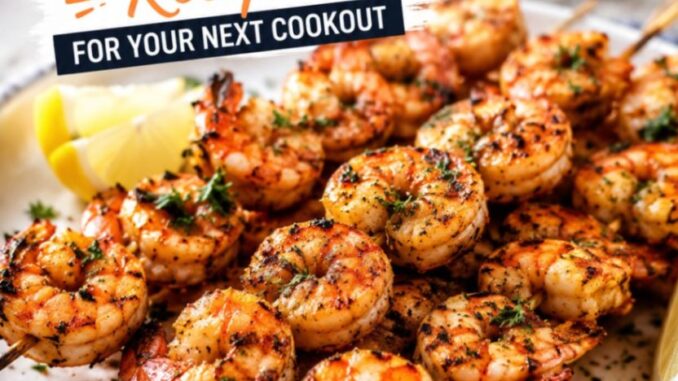
The Only Shrimp Skewers Recipe You Need for Backyard Cookouts
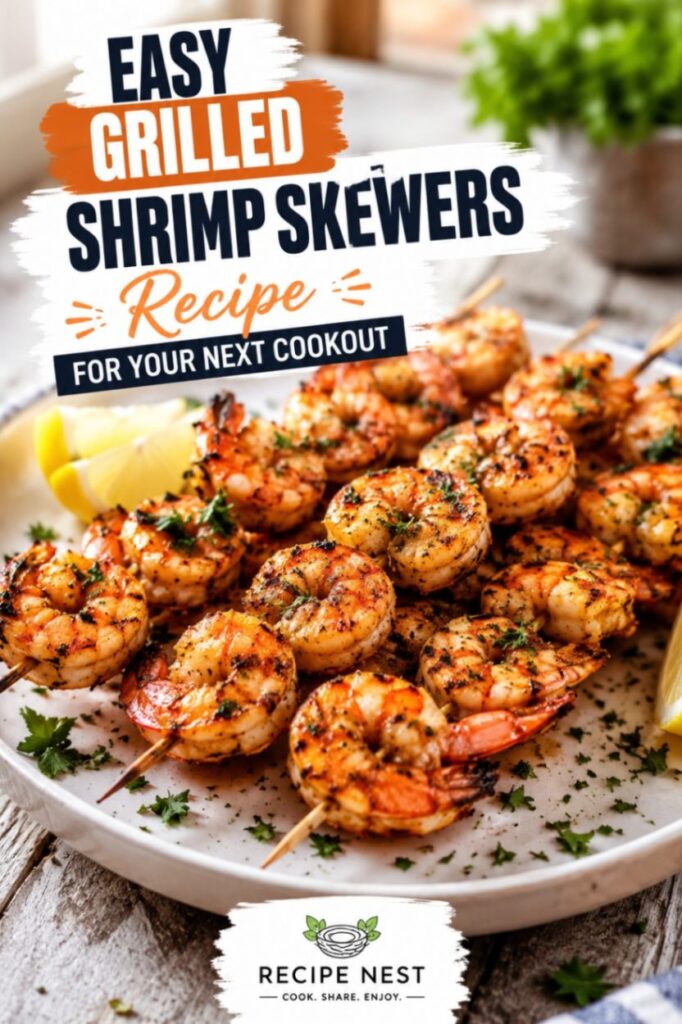
There is nothing quite like the smell of a hot grill on a Saturday afternoon, especially when you are throwing down some fresh seafood. If you are looking for a quick, crowd-pleasing protein that takes less than ten minutes to cook, these easy grilled shrimp skewers are exactly what your next cookout needs. I have made these for neighborhood block parties, quick weeknight dinners, and casual Sunday gatherings, and the platters always come back completely empty.
Shrimp is incredibly forgiving if you know a few basic rules, but it is also very easy to turn into rubber if you look away for even a minute. That is why I want to break down my go-to method for preparing shrimp skewers so they turn out plump, juicy, and perfectly charred every single time. You do not need fancy equipment or hard-to-find ingredients to make this happen—just a few fresh staples and a hot fire.
Why You Will Love Cooking Shrimp on the Grill
The best part about making shrimp skewers is the sheer speed of the process. When the weather is hot, the last thing anyone wants to do is stand over a blistering grill for an hour flipping burgers or waiting on a thick brisket. Shrimp cooks in a flash, giving you those beautiful charred edges and smoky depth without keeping you away from your guests.
Another reason this recipe belongs in your regular rotation is its versatility. The marinade uses a classic garlic-herb base that complements the natural sweetness of the seafood without overpowering it. It pairs beautifully with everything from grilled corn on the cob and potato salad to a light, crisp green salad. Plus, prepping everything ahead of time means you can just pull the skewers out of the fridge when your grill is hot and ready to roll.
The Simple Ingredients You Need
You can find every single one of these items at your local supermarket. I prefer keeping things accessible because great backyard cooking shouldn’t require a trip to a specialty market.
-
Large Shrimp (16/20 count): Look for raw, peeled, and deveined shrimp with the tails left on. The numbers mean you get sixteen to twenty shrimp per pound. This size is ideal because they stay juicy on the grill while smaller ones dry out too fast.
-
Olive Oil: Use a decent quality extra virgin olive oil. It forms the base of our marinade, carries the flavors into the seafood, and keeps it from sticking to the grates.
-
Fresh Garlic: Smash and chop four to five cloves. Avoid the jarred pre-minced stuff here; it has a bitter, metallic aftertaste that ruins the delicate flavor of the seafood.
-
Fresh Lemon Juice and Zest: You need both. The zest provides that bright, punchy citrus aroma without the watery acidity that can actually cook the raw shrimp before it hits the fire.
-
Fresh Herbs: A combination of finely chopped parsley and a little bit of oregano or dill adds a nice, earthy balance to the bright citrus.
-
Kosher Salt and Coarse Black Pepper: Standard seasonings to wake up all the other flavors.
-
Red Pepper Flakes: Just a pinch for a subtle background warmth. It will not make them spicy enough to scare off the kids, but it adds an excellent depth.
Easy Ingredient Substitutions
Cooking should be flexible, and you should use what you have on hand. Here are a few ways to tweak the recipe based on your pantry or dietary needs.
The Fat Base
If you run out of olive oil, avocado oil works wonderfully because it has a high smoke point. If you want a richer, more decadent flavor profile, you can use melted unsalted butter, but keep a close eye on the grill as butter can cause flare-ups if it drips onto the hot coals.
The Citrus Punch
When lemons are out of season or overpriced, fresh limes are a spectacular alternative. A lime and cilantro variation gives the dish a distinct Southwestern flair that tastes incredible alongside grilled peppers and onions or tucked into warm flour tortillas for quick tacos.
The Greenery
Fresh herbs are always best, but if you only have dried options in the pantry, cut the measurements down by two-thirds. Dried herbs are much more concentrated than fresh ones, and using too much will leave your marinade tasting dusty or medicinal.
Essential Kitchen Gear for Grilling Seafood
You do not need a shed full of gadgets, but having these few tools ready will make your prep work seamless.
-
Skewers: You can use wooden bamboo skewers or reusable stainless steel ones. If you use bamboo, buy the thicker ones so they do not snap under the weight of the seafood.
-
A Solid Grilling Brush: A clean grill grate is mandatory for seafood. A sturdy wire brush or bristle-free scraper ensures you do not tear the delicate flesh when it is time to flip.
-
Tongs: Long-handled metal tongs keep your hands away from the intense heat and give you total control when flipping the skewers.
-
A Zester or Microplane: This is the easiest tool for getting the bright yellow skin off the lemon without scraping into the bitter white pith underneath.
Step-by-Step Instructions for Perfect Skewers
Follow these stages to ensure your seafood comes off the grill looking and tasting like it came from a professional kitchen.
1. Prep the Skewers (The Soak Stage)
If you are using bamboo skewers, place them in a shallow dish filled with warm water for at least thirty minutes before assembly. This prevents the exposed wood from catching fire and burning to ash over the hot coals. If using metal, simply wipe them down with a little oil.
2. Mix the Marinade
In a large bowl, whisk together the olive oil, minced garlic, lemon zest, lemon juice, chopped herbs, salt, pepper, and red pepper flakes. Taste the mixture before adding the seafood—it should taste bright, punchy, and slightly salty.
3. Marinate the Shrimp
Pat your shrimp dry with paper towels. Removing the surface moisture allows the oil mixture to stick better and helps create a beautiful sear. Toss the dried seafood into the bowl, coating every piece thoroughly. Let it sit on the counter for fifteen to twenty minutes. Do not leave it much longer than twenty minutes, or the acid from the lemon juice will begin to break down the proteins, leaving you with a mushy texture.
4. Assemble with Care
Thread the shrimp onto the skewers. I like to pierce each one in two places: once through the thickest part near the head, and once near the tail. This locks them into place so they do not spin around loosely when you try to flip them on the grill. Pack them snugly against each other, but do not crush them together.
5. Fire Up the Grill
Set your grill for direct, high heat. You want the grates hot enough that you can only hold your hand a few inches above them for two to three seconds. Clean the grates thoroughly with your brush, then lightly oil the hot bars using a rolled-up paper towel dipped in oil held by your tongs.
6. The Cook
Lay the skewers directly over the heat. You should hear an immediate, loud sizzle. Let them cook undisturbed for about three minutes. You will see the translucent flesh turn opaque and pink starting from the bottom up. Flip the skewers over and cook for another two minutes on the second side. The shrimp are done when they form a nice “C” shape and feel slightly firm to a gentle touch. Remove them immediately to a clean serving platter.
Expert Tips for the Best Results
Over the years, I have picked up a few specific habits that make a massive difference in how these turn out.
First, consider using the “double skewer” method. If you run two parallel bamboo skewers through a row of shrimp instead of just one, it completely eliminates the annoying spinning problem. You can flip an entire skewer cleanly with one movement, ensuring uniform cooking across the whole batch.
Second, buy frozen seafood if you do not live right next to the coast. The “fresh” seafood displayed on ice at most midwestern grocery stores was actually shipped frozen and thawed out behind the counter. Buying it still frozen means you control the thawing process at home, resulting in a much fresher product. Simply thaw them in a bowl of cold water for fifteen minutes before cleaning.
Common Mistakes to Avoid
The absolute biggest mistake people make is overcooking the meat. Shrimp cooks incredibly fast. If your pieces curl up into tight, hard little “O” shapes, they are overdone and will taste like rubber bands. You want them to form a loose “C” shape.
Another frequent misstep is skip-cleaning the grill grates. Seafood contains very little fat compared to a ribeye steak or a pork chop, making it prone to tearing. If your grates are covered in leftover residue from last weekend’s barbecue, the skin will stick, and you will tear the meat apart trying to flip it. Take the time to scrape and oil the surface before cooking.
Proper Storage Practices
If you happen to have leftovers, let them cool completely to room temperature before storing them. Slide the remaining pieces off the skewers and place them into an airtight glass or plastic container. They will keep perfectly fine in the refrigerator for up to two days. I do not recommend freezing cooked shrimp, as the thawing process destroys the delicate texture, making it watery and soft.
The Best Way to Reheat Leftovers
Reheating seafood requires a gentle touch so you do not dry it out. Avoid the microwave at all costs; it turns juicy leftovers into rubber pellets in seconds. Instead, heat a splash of olive oil or a small pat of butter in a non-stick skillet over medium-low heat. Toss in the cold pieces and warm them through for about one to two minutes per side just until they are hot to the touch. Alternatively, you can chop them up cold and toss them directly into a crisp summer pasta salad or use them to top a fresh green salad.
Estimated Nutrition Information
This recipe provides a lean, high-protein option for your next gathering. This estimation covers a standard single serving of roughly four large pieces.
| Nutrient | Amount Per Serving |
| Calories | 140 |
| Protein | 18g |
| Total Fat | 7g |
| Saturated Fat | 1g |
| Carbohydrates | 1g |
| Sodium | 220mg |
Leave a Reply