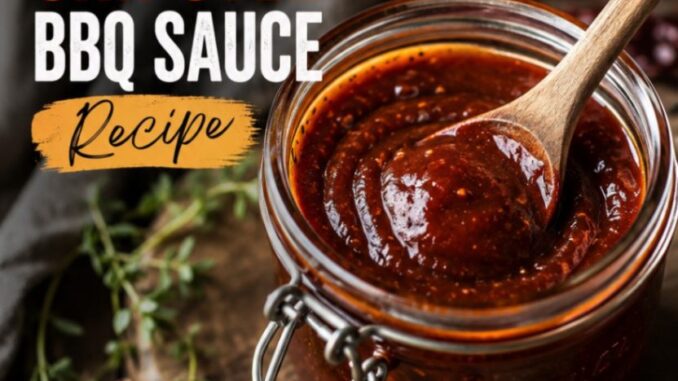
The Best Smoky Chipotle BBQ Sauce Recipe
There is a world of difference between a bottle of mass-produced barbecue sauce grabbed off a supermarket shelf and a batch made fresh on your own stove. Commercial sauces are almost always bogged down with high-fructose corn syrup, liquid smoke surrogates, and artificial thickeners that leave a sickly sweet film on your palate. When you make your own from scratch, you take full control of the balance: the rich caramel notes, the tangy kick of vinegar, and the deep, smoldering heat of real peppers.
Among all the regional styles and variations of barbecue sauces, smoky chipotle stands in a league of its own. It bridges the gap between classic Kansas City-style sweet tomato sauces and Tex-Mex pepper traditions. A chipotle is simply a ripe red jalapeño that has been slow-smoked and dried. When rehydrated and packed into a savory adobo sauce made of tomato, vinegar, garlic, and spices, it delivers an earthy, complex heat that liquid smoke could never hope to replicate.
Whether you are slathering it onto smoked baby back ribs, glazing a grilled chicken breast, brushing it over smoked brisket, or using it as a dipping sauce for crispy French fries, this recipe will quickly become a permanent fixture in your culinary lineup.
The Flavor Profile: Balancing the Five Pillars
Creating an extraordinary barbecue sauce isn’t about throwing random pantry ingredients into a pot and hoping for the best. It requires understanding how five distinct flavor pillars interact on the tongue:
-
Sweetness: Deepens flavor and promotes caramelization when cooked over fire. Dark brown sugar and unrefined molasses provide a sticky, rich foundation.
-
Acid: Cuts through the heavy fat of barbecue meats. Apple cider vinegar gives a sharp, fruity bite that brightens the entire mixture.
-
Savory/Umami: Adds body and depth so the sauce tastes rounded rather than flat. Worcestershire sauce and garlic supply this foundational savory backbone.
-
Heat and Smoke: Provided directly by chipotle peppers in adobo sauce, supplemented by a dash of smoked paprika to reinforce the fire-roasted character.
-
Salt: Enhances every individual note and binds the sweet and sour elements together.
If any one of these pillars dominates too heavily, the sauce falls out of balance. The following guidelines are crafted to ensure each component shines in harmony.
Ingredients Breakdown
To achieve the ultimate depth of flavor, use fresh, high-quality ingredients. Avoid substitutions where possible, as each component serves a specific role in texture and taste.
The Aromatic Base
-
1 tablespoon neutral cooking oil (avocado or canola oil works best)
-
1 medium yellow onion, finely minced
-
4 cloves fresh garlic, finely minced or grated
The Chipotle & Spice Element
-
3 to 4 whole chipotle peppers in adobo sauce, finely chopped (use 2 for mild heat, 4 for a bold kick)
-
3 tablespoons adobo sauce (scooped directly from the chipotle can)
-
1 tablespoon smoked paprika
-
1 teaspoon dark chili powder
-
1/2 teaspoon freshly cracked black pepper
-
1/2 teaspoon kosher salt (adjust to taste at the end)
The Liquid & Sweet Base
-
2 cups quality tomato ketchup (look for brands with minimal added sugar)
-
1/2 cup dark brown sugar, packed
-
1/4 cup unsulfured dark molasses
-
1/2 cup unfiltered apple cider vinegar
-
2 tablespoons Worcestershire sauce
-
1 tablespoon Dijon mustard
-
1/2 cup water (to loosen the mixture for slow simmering)
Step-by-Step Cooking Guidelines
Follow these guidelines carefully to ensure proper emulsion, deep flavor development, and the ideal glossy texture.
Guideline 1: Sweat the Aromatics Properly
Do not rush the initial step. Heat your neutral oil in a heavy-bottomed saucepan over medium-low heat. Add the finely minced yellow onion and cook slowly for about 6 to 8 minutes until soft and translucent. You want to extract the natural sweetness of the onion without scorching it. Add the minced garlic during the last 60 seconds of sweating, cooking just until fragrant. If garlic browns or turns black, it becomes bitter and will ruin the batch.
Guideline 2: Bloom the Spices and Chipotle
Push the softened onions and garlic to the sides of the saucepan to create a small clear spot in the center. Add the chopped chipotle peppers, adobo sauce, smoked paprika, chili powder, black pepper, and salt directly to the warm pan bottom. Stir continuously for 90 seconds. Toasting the dry spices and chipotle in warm fat releases their essential oils, deepening the smoky profile before liquid ingredients are introduced.
Guideline 3: Whisk in Liquids and Sugars
Pour in the ketchup, dark brown sugar, molasses, apple cider vinegar, Worcestershire sauce, Dijon mustard, and water. Lower the heat slightly and whisk vigorously until the brown sugar has completely dissolved and the mixture is entirely smooth and uniform.
Guideline 4: Low and Slow Simmer
Bring the sauce to a gentle sputter—never a rolling boil. High heat will cause sugar to scorch at the bottom of the pot and splash hot sauce everywhere. Turn the heat down to low, cover the pot partially with a lid to allow steam to escape while preventing spatters, and let it simmer for 25 to 30 minutes. Stir with a wooden spoon every 5 minutes, scraping the bottom edges of the pot to prevent catching.
Guideline 5: Blend for Texture (Optional)
After 30 minutes, your sauce will have darkened to a deep mahogany color and thickened considerably. At this point, decide on your preferred texture. If you like a rustic, textured sauce with small bits of onion and pepper, leave it as is. For a silky, restaurant-style glaze that glides effortlessly off a brush, transfer the sauce to a high-speed blender (or use an immersion blender right in the pot) and purée until ultra-smooth.
Master Tips for Adjusting and Customizing
Every palate is slightly different. Use these quick calibration guidelines once your sauce has finished simmering to dial in your exact preference:
Important Safety Note: Always let a small spoonful of sauce cool for 30 seconds before tasting. Hot barbecue sauce holds heat exceptionally well due to its sugar content, and tasting it directly from the bubbling pot will burn your tongue and dull your taste buds.
-
If it’s too sweet: Stir in an extra tablespoon of apple cider vinegar or a squeeze of fresh lime juice. The acid cuts through heavy sweetness instantly.
-
If it’s too spicy: Add an extra quarter-cup of ketchup or a tablespoon of brown sugar. You can also stir in a small drop of honey to soften the back-end heat.
-
If it lacks depth: Add another half-teaspoon of Worcestershire sauce or a tiny pinch of espresso powder. Coffee notes accentuate smoky pepper flavors beautifully without making the sauce taste like coffee.
-
If it’s too thick: Whisk in warm water one tablespoon at a time until you reach your desired consistency. Keep in mind that the sauce will continue to thicken slightly as it cools in the refrigerator.
Application Rules: How to Use It Like a Pro
The best sauce can still burn if applied incorrectly on the grill. Because this recipe contains natural sugars from brown sugar, molasses, and ketchup, it requires proper timing when exposed to direct fire.
1. The Glazing Technique for Chicken and Pork
Never slather sugar-rich barbecue sauce onto raw or cold meat before putting it over direct flames. The sugar will char into a bitter, black crust long before the interior of the meat cooks through.
Instead, cook your meat to within 10 to 15 degrees of its target internal temperature using direct or indirect heat. During the final 5 to 10 minutes of cooking, brush thin layers of the chipotle sauce onto the meat, turning occasionally. The heat will set the glaze into a tacky, shiny coat without burning.
2. The Low & Slow Finish for Ribs and Pork Shoulder
For smoked ribs or pulled pork cooked low and slow (between 225°F and 250°F), you can apply the sauce slightly earlier during the final wrapping stage or the last 30 minutes of the smoke. The low temperature allows the sauce to render into the meat fibers without scorching.
3. As a Table Condiment or Marinade Base
This sauce works equally well cold or at room temperature as an accompanying dip for fried chicken tenders, grilled sausages, or turkey burgers. If you want to use it as a marinade, mix equal parts sauce with olive oil and a splash of citrus juice to loosen the texture so it penetrates the protein effectively.
Storage and Shelf Life Guidelines
Proper storage ensures your homemade sauce stays fresh, vibrant, and safe to consume for weeks.
-
Cooling: Allow the sauce to cool completely at room temperature for about 45 to 60 minutes before sealing it in a container. Condensation formed by closing warm sauce in a jar introduces unwanted moisture that shortens shelf life.
-
Refrigeration: Store the cooled sauce in a clean, airtight glass mason jar or squeeze bottle. Keep it stored in the main compartment of your refrigerator (not the door shelves where temperature fluctuates). It will stay fresh and hold its peak flavor for up to 3 weeks.
-
Freezing: This sauce freezes remarkably well. Pour cooled sauce into freezer-safe jars or heavy-duty freezer bags, leaving about an inch of headspace at the top for expansion. Freeze for up to 6 months. To use, thaw overnight in the refrigerator and stir thoroughly before serving.
Final Thoughts
Making your own smoky chipotle BBQ sauce is one of the easiest, most rewarding culinary upgrades you can make in your home kitchen. Once you taste the rich contrast of real smoked peppers against dark molasses and tangy vinegar, store-bought bottles simply won’t compare. Keep a jar stocked in your fridge all summer long, and enjoy the depth of flavor only scratch cooking can bring to your table.
Leave a Reply