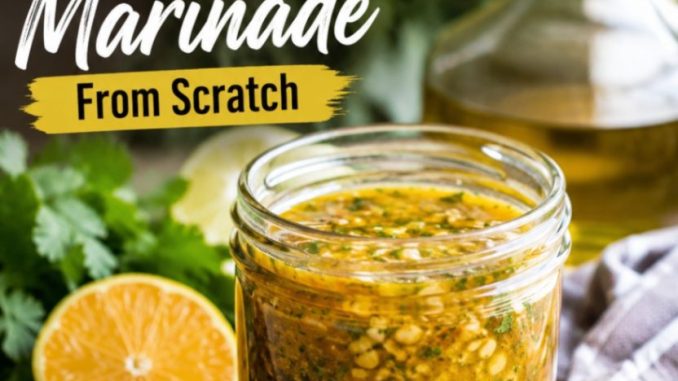
How to Make Cuban Mojo Marinade From Scratch
If you have ever tasted authentic Cuban lechón asado (slow-roasted pork) or dipped a hot, crispy yuca fry into a garlic-heavy, citrusy sauce, you have experienced the magic of Cuban mojo marinade. Tangy, savory, aromatic, and deeply rich, mojo is arguably the foundational flavor profile of Cuban culinary tradition.
While commercial bottles of mojo line the shelves of many grocery stores, they rarely capture the vibrant freshness and pungent punch of a batch made from scratch. Store-bought versions rely heavily on preservatives, artificial citrus flavorings, and excess sodium. Making it at home requires only a handful of staple ingredients, simple kitchen tools, and roughly fifteen minutes of prep time.
Here is a complete, step-by-step guide to understanding, crafting, and perfecting authentic Cuban mojo marinade in your own kitchen.
The Origins and Flavor Profile of Mojo
Mojo (pronounced MOH-hoh) traces its roots back to the Canary Islands, where Spanish settlers used oil, vinegar, and peppers to preserve and flavor foods. As Spanish travelers and immigrants settled in the Caribbean, particularly in Cuba, local cooks adapted the sauce using ingredients native to or widely available in the region—most notably sour citrus fruits and fresh garlic.
At its core, traditional Cuban mojo balances four primary sensory elements:
-
Pungent garlic sharpness: Garlic is not a background note here; it is a primary structural component.
-
Vibrant citrus acidity: The tartness tenderizes tough meat fibers while cutting through rich fats.
-
Warm earthy spices: Cumin and dried oregano provide aromatic depth.
-
Silky oil base: Warm oil binds the acid and aromatics while helping the flavor penetrate meats during cooking.
Ingredients: The Pillars of Authentic Cuban Mojo
To make a truly traditional mojo, every ingredient matters. Because the component list is brief, using fresh, high-quality items makes an immediate difference in the final taste.
1. Naranjas Agrias (Sour Oranges)
The undisputed star of authentic mojo is the juice of naranjas agrias, also known as bitter or sour oranges. These rough-skinned citrus fruits are extremely tart with a distinct herbal, slightly bitter aroma that sweet oranges lack.
If you cannot source fresh sour oranges or bottled pure sour orange juice, you can recreate a remarkably close substitute by mixing:
-
2 parts fresh orange juice
-
1 part fresh lime juice
-
1 part fresh grapefruit juice (or lemon juice)
This blend mimics the complex acidity and slight bitterness required for a balanced marinade.
2. Fresh Garlic
Authentic mojo requires fresh whole garlic cloves. Pre-minced jarred garlic will introduce an off-putting preserved taste and lacks the essential oils needed for a robust sauce. Use at least one whole head of garlic for a standard batch—do not be shy with the quantity.
3. Cumin
Ground cumin provides the warm, earthy backbone characteristic of Caribbean and Latin American savory dishes. Use fresh ground cumin for the best aroma.
4. Dried Oregano
Mexican oregano or Mediterranean oregano both work well. Rubbing the dried oregano leaves between your palms before adding them releases their volatile oils.
5. Extra Virgin Olive Oil or Neutral Cooking Oil
Oil carries the fat-soluble flavor compounds from the garlic and herbs. Extra virgin olive oil offers a rich, fruity flavor ideal for dipping sauces or finishing marinades. If you plan to roast meats at very high heat, a neutral oil like canola or avocado oil can be used to prevent smoking, though traditionalists prefer olive oil.
6. Kosher Salt and Black Pepper
Coarse kosher salt enhances the citrus and draws moisture from the garlic, while freshly cracked black pepper adds a gentle, background warmth.
The Recipe: Step-by-Step Instructions
Ingredients List
-
1 cup fresh sour orange juice (or the substitution mix: ½ cup orange juice, ¼ cup lime juice, ¼ cup grapefruit juice)
-
12 to 15 large fresh garlic cloves
-
¾ cup extra virgin olive oil
-
1 tablespoon ground cumin
-
1 tablespoon dried oregano
-
1½ teaspoons kosher salt
-
1 teaspoon freshly cracked black pepper
-
1 small bay leaf (optional, for slow-marinating big cuts of meat)
Step 1: Prepare the Garlic Paste
The method used to break down the garlic dictates the texture and intensity of your mojo.
-
The Traditional Method (Mortar and Pestle): Peel the garlic cloves and place them into a heavy mortar (pilón) along with the kosher salt. Use the pestle to crush the cloves into a coarse paste. The abrasive action of the salt breaks down the cell walls of the garlic, releasing all its natural juices and creating a smooth, emulsified foundation.
-
The Modern Method (Food Processor or Knife): If you do not have a mortar and pestle, mince the garlic finely on a cutting board, sprinkle the salt over it, and use the flat side of a chef’s knife to mash it into a paste. Alternatively, pulse the garlic and salt in a mini food processor until finely chopped.
Step 2: Combine the Aromatics and Citrus
Place your crushed garlic paste into a heat-safe bowl or glass jar. Add the ground cumin, dried oregano, black pepper, and fresh sour orange juice. Whisk vigorously until the salt dissolves completely and the spices are evenly distributed throughout the citrus liquid.
Step 3: Heat the Oil (The Critical Step)
Many quick recipes simply mix cold oil directly into the juice. However, traditional Cuban cooks use a quick thermal technique that transforms raw, bitey garlic into a smooth, fragrant flavor base.
-
Pour the olive oil into a small saucepan over medium heat.
-
Heat the oil just until it becomes shimmering and warm—roughly 2 to 3 minutes. Do not let the oil smoke or boil.
-
Carefully pour the hot oil directly over the garlic and citrus mixture.
As the hot oil hits the cold juice and fresh garlic, you will hear a gentle sizzle. The heat softens the raw edge of the garlic, blooms the cumin and oregano, and coax out maximum aroma without burning the garlic.
Step 4: Emulsify and Rest
Whisk the mixture thoroughly for 30 seconds to combine the oil and citrus juice. Cover the bowl or close the jar tight and let the marinade sit at room temperature for at least 20 to 30 minutes before using. This resting period allows the flavors to meld together into a cohesive sauce.
How to Use Cuban Mojo Marinade
Cuban mojo is exceptionally versatile. Depending on how you prepare and apply it, it functions as a deep tenderizing marinade, a roasting baste, or a zesty table sauce.
1. Traditional Pork Shoulder (Lechón Asado)
Mojo is most famous for its role in slow-roasted pork.
-
Score the fat cap of a pork shoulder or pork butt in a crosshatch pattern.
-
Deeply pierce the meat with a sharp knife in several spots.
-
Pour the cooled mojo marinade over the pork, making sure to work the garlic and liquid into the deep incisions.
-
Cover and refrigerate for at least 12 hours, or up to 24 hours.
-
Save a portion of unused marinade (or make a separate fresh batch) to boil down slightly and serve as a fresh sauce alongside the finished roast.
2. Grilled or Baked Chicken
Mojo works wonderfully on whole chickens, bone-in thighs, or chicken breasts. Because poultry meat is lighter than pork, marinate chicken for 2 to 6 hours. Marinating longer than 8 hours can break down the chicken muscle fibers excessively due to the high citrus acid content.
3. Dipping Sauce for Boiled Yuca and Plantains
Boiled yuca (cassava), fried green plantains (tostones), and sweet fried plantains (maduros) are traditional accompaniments to Cuban meals.
-
To make a dedicated dipping sauce or drizzle, simmer a batch of mojo in a small saucepan for 3 to 4 minutes until warm and fragrant.
-
Pour the hot garlic-citrus sauce directly over freshly boiled yuca or serve in small ramekins for dipping crispy tostones.
4. Seafood and Vegetables
-
Seafood: Marinate thick white fish fillets (like snapper or mahi-mahi) or large shrimp for 15 to 30 minutes prior to grilling or pan-searing.
-
Vegetables: Toss sliced zucchini, bell peppers, onions, or sturdy mushrooms in mojo just before roasting or grilling.
Pro Tips for Perfecting Your Mojo
-
Never Burn the Garlic: Garlic turns acrid and bitter when blackened. When heating the oil, keep a close watch. If you decide to sauté the garlic directly in the pan instead of pouring warm oil over it, sauté it for no more than 30 to 45 seconds on low heat.
-
Keep Raw and Finished Sauces Separate: Always divide your batch if you plan to use mojo both as a marinade for raw meat and as a finishing sauce at the table. Never reuse liquid that has touched raw meat unless you bring it to a rolling boil for several minutes first.
-
Adjust the Salt to Taste: The salt level in marinades should be slightly higher than in finished sauces because much of it gets lost during the cooking process. If you are making mojo purely as a dipping sauce, reduce the salt slightly.
Storage and Shelf Life
-
Refrigeration: Store unused mojo marinade in a clean, airtight glass jar in the refrigerator for up to 7 to 10 days.
-
Oil Separation: Because real olive oil solidifies when chilled, the sauce will separate and thicken in the fridge. Simply remove the jar from the refrigerator 20 minutes before serving and shake vigorously, or warm it gently in a saucepan over low heat to melt the oil.
-
Freezing: You can freeze mojo marinade in freezer-safe bags or ice cube trays for up to 3 months. Freezing pre-measured portions in ice cube trays makes it easy to pop out small amounts whenever you need a quick flavor boost for weeknight dinners.
Final Thoughts
Crafting Cuban mojo marinade from scratch is one of the simplest ways to elevate everyday cooking. With basic produce aisle staples and a few minutes of preparation, you can capture the bold, aromatic flavors of traditional Caribbean home cooking right on your stovetop. Whether you are prepping a holiday pork shoulder or simply looking to brighten up weeknight chicken breasts, a batch of freshly made mojo delivers unmatched freshness and depth.
Leave a Reply