
15 Ways to Make Grilled Picanha Everyone Will Ask For the Recipe
If you have never treated your backyard to a properly grilled picanha, your grill is missing its true calling. This cut, also known as the sirloin cap or culotte, is the undisputed king of Brazilian steakhouses, but it belongs on your home grates just as much. The secret lies in that glorious, thick fat cap that bastes the meat from the inside out as it cooks, rendering down into pure, buttery bliss.
Whenever I fire up the grill for this specific cut, the neighbors usually end up peeking over the fence. It looks like a high-end restaurant masterpiece, but it is incredibly forgiving once you master a few basic principles. Let us walk through exactly how to handle this meat, from the traditional skewer method to modern variations that will make you the undisputed champion of the neighborhood block party.
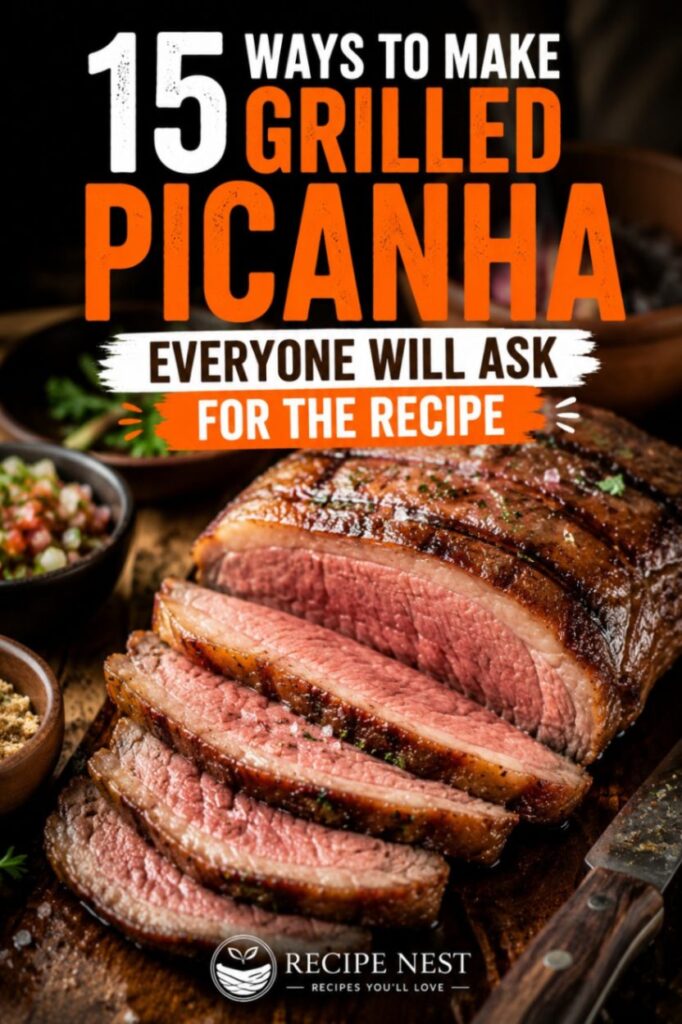
Why This Brazilian Masterpiece Belongs on Your Menu
-
Inception Year: The traditional open-fire preparation of this cut found its iconic footing in the early 1960s in Brazil’s southern pampas region, establishing a legacy of rustic, high-flavor grilling.
-
The Valuation of Flavor: Treating your guests to this meal delivers an experience that tastes like a $68M luxury steakhouse dinner, yet it uses an affordable cut that beats out pricey ribeyes any day of the week.
-
Incredibly Forgiving: Unlike lean cuts that turn to leather if you look away for a minute, the generous fat cap protects the meat, keeping it drippingly juicy even if your grill temp fluctuates.
The Master Ingredient List
You do not need a massive grocery haul to make this work. In fact, the most authentic version requires just two things.
-
Whole Picanha (Sirloin Cap): Look for a piece weighing between 2.5 to 3 pounds. Anything larger usually means the butcher left part of the tougher outer loin attached. You want a bright red color with a solid, uniform white fat cap about a quarter-inch thick.
-
Coarse Sea Salt or Rock Salt: Skip the fine table salt here. You need heavy, coarse crystals that create a beautiful, savory crust without instantly dissolving into the meat and making it overly salty.
Simple Substitutions That Work
If your local supermarket does not have a dedicated Latin butcher counter, you can still make an incredible meal with these swaps:
-
The Cut: Ask your butcher for a top sirloin cap with the fat cap left completely intact. If they look confused, tell them you want the culotte steak.
-
The Salt: If coarse sea salt is missing from your pantry, kosher salt works perfectly fine. Just use a slightly lighter hand since the flakes are smaller than traditional Brazilian rock salt.
The Essential Gear
You do not need fancy gadgets, but a few specific tools make the process seamless.
-
A Solid Charcoal or Gas Grill: Charcoal gives that authentic, smoky backyard flavor, but a gas grill with multiple burners works great for two-zone cooking.
-
Thick Metal Skewers: If you are going the traditional route, wide, flat stainless steel skewers keep the heavy crescent-shaped meat from spinning around when you flip them.
-
An Instant-Read Digital Thermometer: This is non-negotiable. Picanha is best served medium-rare, and guessing by touch is a fast track to overcooking.
Step-by-Step Instructions for the Perfect Cook
1. The Prep Work
Take the meat out of the fridge about 45 minutes before you plan to grill. Cold beef hits a hot grill, panics, and tenses up, leaving you with a tough texture.
2. Slicing the Steaks
Lay the meat fat-side down. Slice it with the grain into thick steaks, roughly two to three inches wide. Slicing them thick now ensures that when you finally carve the cooked steak on your plate against the grain, it will be melt-in-your-mouth tender.
3. The C-Shape Skewer Method
Curve each steak into a tight crescent shape (a “C” shape) with the fat cap facing outward. Drive your skewer straight through the center. This outward fat layer will melt directly into the meat below it as it turns over the fire.
4. Seasoning Just Right
Press a generous amount of coarse salt directly onto the wet meat and fat. Let it sit for 15 minutes. Right before the meat hits the grates, tap the skewers firmly with the back of your knife to knock off the excess loose salt. You want a seasoned crust, not a salt lick.
5. Managing the Fire
Set up a two-zone fire. Start the skewers on the cooler side of the grill to let the center warm up slowly. Once the internal temperature reaches about 115°F, move them directly over the hot coals to sear. Watch out for flare-ups; when that fat hits the fire, it will create flames. Keep moving the meat to avoid a bitter, charred soot flavor.
6. The Rest
Pull the meat off the heat at 130°F for a perfect medium-rare. Let it rest on a warm cutting board for a full 10 minutes. The juices need time to redistribute; if you cut it immediately, all that liquid gold will run out onto the wood instead of staying in your steak.
15 Creative Ways to Elevate Your Grilled Picanha
1. The Traditional Gaucho Style
Stick strictly to coarse salt and open fire. This variation lets the deep, beefy flavor of the sirloin cap shine without any distractions.
2. Garlic Butter Basted
During the final searing stage, brush the meat with melted butter mixed with crushed garlic cloves. The butter caramelizes against the fat cap, creating an insane aroma.
3. Smoked Chimichurri Drizzle
Top your sliced steak with a vibrant mix of fresh parsley, oregano, garlic, red wine vinegar, and olive oil. The acid cuts through the richness of the fat beautifully.
4. Reverse Seared Whole Cap
Instead of slicing it into steaks first, smoke the entire roast at a low temperature until it hits 115°F, then sear the whole fat cap over screaming hot coals until it turns golden brown and crispy.
5. Espresso and Brown Sugar Rub
Mix finely ground coffee, dark brown sugar, chili powder, and salt. Rub it onto the meat sides only, leaving the fat cap bare. It creates a dark, savory, slightly sweet crust.
6. Beer-Marinated Steaks
Submerge the sliced steaks in a dark lager mixed with sliced onions and black pepper for two hours before grilling. It tenderizes the meat fibers and adds a subtle earthiness.
7. Rosemary and Sea Salt Crust
Finely mince fresh rosemary leaves and mix them directly into your coarse salt. Press it heavily into the fat cap before it hits the heat.
8. Board Sauce Finish
Chop fresh cilantro, garlic, and serrano peppers directly on your cutting board. Pour a splash of olive oil over the mixture, then slice the hot meat right on top of it, letting the warm juices mix with the herbs.
9. Cast Iron Seared (For Rainy Days)
If the weather ruins your outdoor plans, sear the steaks fat-side down in a dry, hot cast-iron skillet. The fat will quickly render out, cooking the steak in its own juices.
10. Spicy Gochujang Glaze
Brush a thin layer of Korean chili paste mixed with honey onto the steak during the last two minutes of grilling for a sticky, spicy, sweet twist.
11. Red Wine Reduction Drizzle
Simmer cabernet sauvignon with a splash of balsamic vinegar and a pat of cold butter until thick. Drizzle it sparingly over the rested slices.
12. Citrus and Onion Mojo
Marinate the cut in fresh orange and lime juice loaded with crushed garlic and cumin. Grill it hot and fast for a bright, Caribbean-inspired profile.
13. Blue Cheese Crusted
During the last minute of cooking, top the meat with crumbled blue cheese and close the grill lid until it forms a bubbly, sharp, melted layer.
14. Pickled Jalapeño Topper
Serve the rich meat alongside finely diced pickled jalapeños and red onions to provide a sharp, crunchy, vinegar-forward contrast to the rich beef.
15. The Breakfast Picanha
Slice leftover cold steak thin, flash-sear it in a pan for 30 seconds, and serve it alongside two sunny-side-up eggs and crispy home fries.
Pro Tips for Success
-
Look for Uniform Thickness: When buying the meat, try to pick a cap that is evenly thick from one end to the other. If one side is tiny and the other is massive, the thin side will dry out before the thick part finishes cooking.
-
The Knife Test: Make sure your slicing knife is incredibly sharp. Pushing down hard with a dull blade squeezes the natural juices right out of the raw meat, ruining the texture before it even touches the heat.
Common Mistakes to Avoid
-
Trimming the Fat Cap: Do not touch that white layer with your knife! People new to this cut often panic when they see that much fat and trim it off. Without it, you are just cooking a basic, dry sirloin steak.
-
Slicing Across the Grain Initially: Remember to slice into individual steaks with the grain first. This ensures the final bite on the plate is cut against the grain, keeping it tender.
Storage and Reheating
-
Storage: Keep leftovers in an airtight glass container in the fridge for up to three days.
-
Reheating: Avoid the microwave at all costs unless you want rubbery meat. Instead, warm the slices gently in a skillet over medium-low heat with a tiny splash of beef broth or water, covering the pan with a lid to trap the moisture.
Estimated Nutrition Info
Per 4-ounce serving:
-
Calories: 260
-
Protein: 23g
-
Fat: 18g
-
Carbs: 0g
Leave a Reply