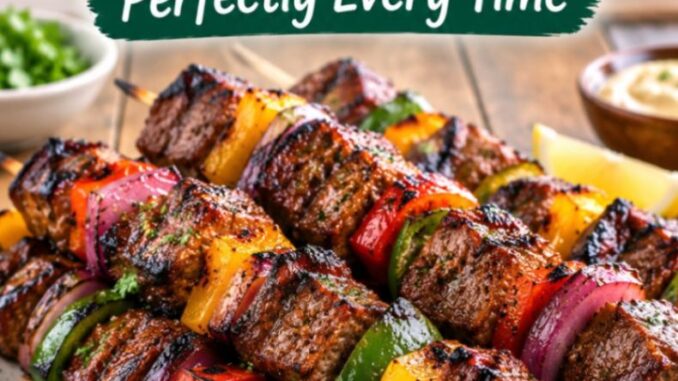
How to Grill Beef Kabobs Perfectly Every Time
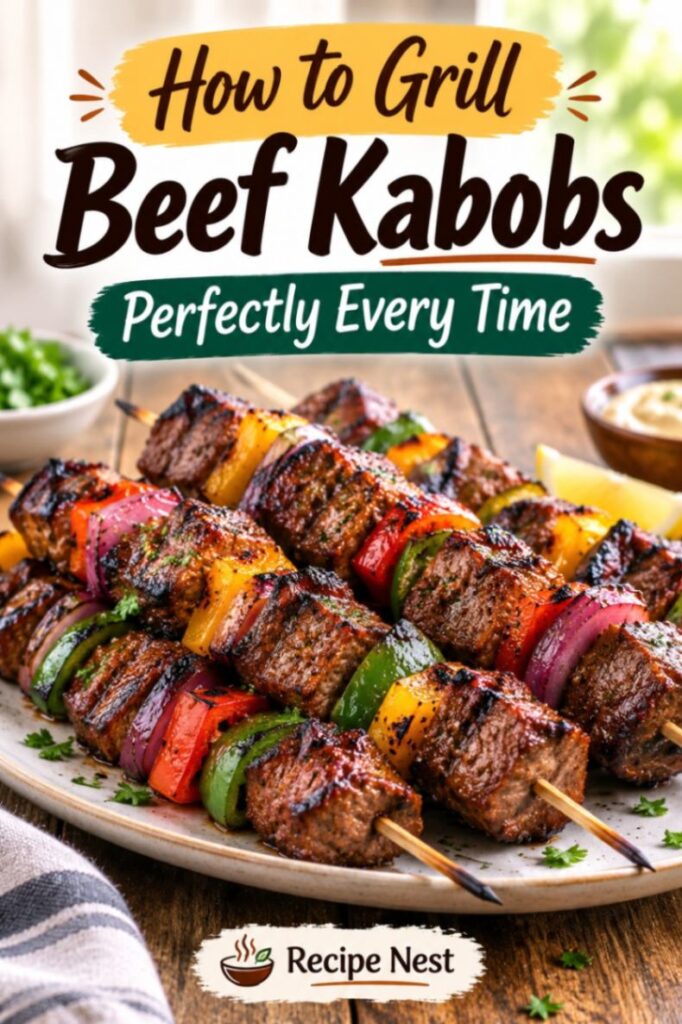
There is something deeply satisfying about firing up the grill on a warm afternoon, especially when you are threading tender meat and vibrant vegetables onto skewers. Master perfectly grilled beef kabobs, and you become the undisputed hero of the backyard barbecue. Over the years, I have made every mistake in the book—from dry, chewy meat to completely charred veggies sharing the same stick—but those trials led to this foolproof method.
Ever since this recipe’s inception in 2018, it has been my absolute go-to for summer entertaining and easy weeknight dinners alike. Achieving juicy, tender beef with that signature smoky char does not require professional culinary training. It just takes the right cut of meat, a balanced marinade, and a few simple techniques that make all the difference when the food hits the grates.
Why You Will Want to Pin This Skewer Technique
When you find a grilling recipe that works every single time, you save it. This method delivers exactly what you want from backyard grilling: maximum flavor with minimal stress. By understanding how different ingredients cook, you can say goodbye to the days of biting into a piece of beef that textures like shoe leather.
This approach focuses on building layers of flavor. The marinade tenderizes the meat while injecting a rich, savory taste that complements the natural beef flavor rather than masking it. Plus, prep work can happen well in advance, meaning you get to spend your evening chatting with guests instead of hovering anxiously over a hot flame.
The Best Ingredients for Juicy Beef Kabobs
Choosing the right ingredients at the grocery store is the most important step of the entire process. You do not need the most expensive cuts on the market, but you do need items that respond well to quick, high-heat cooking.
-
Sirloin Tip or Top Sirloin: This is the ideal balance of affordability and tenderness. Sirloin holds its shape beautifully on a skewer and gets incredibly tender when marinated.
-
Bell Peppers: Green, red, or yellow all work beautifully. They provide a crisp texture and a sweet flavor that intensifies as the edges caramelize.
-
Red Onion: Red onions hold up better on the grill than yellow onions, and their layers sweeten significantly under direct heat.
-
Cremini Mushrooms: These earthy mushrooms absorb the grill smoke perfectly. Wipe them clean with a damp paper towel instead of washing them, so they do not get soggy.
-
The Marinade Base: A mixture of olive oil, soy sauce, Worcestershire sauce, fresh garlic, lemon juice, and a touch of honey.
Easy Ingredient Substitutions
Do not skip making beef kabobs just because you are missing one specific vegetable or prefer a different cut of meat. The beauty of this meal lies in its flexibility.
Meat Alternatives
If sirloin is unavailable, beef tenderloin (filet mignon) is an incredibly luxurious upgrade that requires almost no marinating time to stay tender. On the budget-friendly side, New York strip steak trimmed of excess fat works wonderfully. Avoid stew meat at all costs; it contains too much tough connective tissue and needs hours of slow braising to become tender, meaning it will turn into rubber on a grill.
Vegetable Swaps
If you dislike mushrooms or onions, try using zucchini slices or yellow squash. Just cut them into thick rounds so they do not fall off the skewer as they soften. Cherry tomatoes are another fantastic addition, offering a burst of warm juice when you bite into them. Just be aware that they cook much faster than peppers, so group them carefully.
Essential Grilling Tools
Having the right gear makes the assembly and grilling process smooth and stress-free.
-
Skewers: You can use either metal or wooden skewers. If using wooden bamboo skewers, you must soak them in water for at least thirty minutes before threading to prevent them from catching fire on the grill. Metal skewers are reusable and eliminate the soaking step completely.
-
A Sharp Chef’s Knife: Uniform cuts are crucial for even cooking, so a sharp knife is your best friend during prep.
-
Grill Tongs: Long-handled tongs keep your hands safe from the intense heat while giving you total control when flipping the meat.
-
A Meat Thermometer: This is the only way to guarantee perfect doneness without cutting into the meat and releasing all the precious juices.
Step-by-Step Instructions
Follow these stages carefully, paying attention to the visual and sensory cues that signal when your food is moving along perfectly.
1. Prep and Cut the Beef
Trim away any large pieces of hard silver skin or excess external fat from your sirloin. Cut the beef into uniform cubes, aiming for roughly 1.25-inch pieces. Keeping the size consistent ensures that every single piece of meat reaches the ideal internal temperature at the exact same time.
2. Whisk and Marinate
In a large bowl, whisk together your olive oil, soy sauce, Worcestershire, minced garlic, lemon juice, honey, and a generous pinch of black pepper. Submerge the beef cubes entirely in the liquid. Cover the bowl and place it in the refrigerator for at least two hours, though four to six hours is the sweet spot. You will smell the rich, tangy aroma of the garlic and vinegar working their way into the meat.
3. Prep the Vegetables
While the meat marinates, cut your bell peppers and red onions into pieces that match the size of your beef cubes. If the vegetables are too small, they will burn before the meat cooks; if they are too large, they will remain raw and crunchy.
4. Assemble the Skewers
Thread the ingredients onto your skewers, alternating between beef, pepper, onion, and mushroom. Do not pack the items too tightly against one another. Leave a tiny sliver of space between each piece so the heat of the grill can circulate completely around the food, creating those beautiful charred edges.
5. Fire Up the Grill
Preheat your grill to medium-high heat, targeting roughly 400°F to 450°F. Clean the grates thoroughly with a grill brush, then lightly oil them using a paper towel dipped in vegetable oil held by your tongs. This creates a non-stick surface so your beef releases easily.
6. Grill to Perfection
Place the skewers directly over the heat. You should hear an immediate, loud sizzle the moment the meat touches the grate. Let them cook undisturbed for about 3 to 4 minutes until a deep brown crust forms on the bottom. Flip the skewers and cook for another 3 to 4 minutes on the other side.
Use your digital meat thermometer to check the center of a beef cube. For a perfect medium-rare, pull the kabobs off the grill when the thermometer reads 130°F. The temperature will rise to 135°F as the meat rests.
7. Rest Before Serving
Transfer the hot skewers to a clean platter and tent them loosely with aluminum foil. Let them rest for 5 minutes. This allows the internal juices, which were pushed to the center by the heat, to redistribute throughout the meat, ensuring every single bite is succulent.
Expert Tips for Success
-
Separate by Cook Time If Needed: If you love your vegetables deeply charred and soft but want your beef medium-rare, consider making separate skewers entirely for the meat and entirely for the veggies. This lets you pull the meat off early while letting the onions and peppers cook longer.
-
Dry the Meat Before Grilling: When removing the beef from the marinade, let the excess liquid drip away. Excess moisture causes the meat to steam instead of sear, preventing that gorgeous brown crust from forming.
-
Keep the Grill Lid Closed: Avoid the temptation to constantly open and close the grill lid. Keeping it closed holds the smoky ambient heat inside, cooking the food efficiently.
Common Mistakes to Avoid
Packing the Skewers Too Tightly
When you jam the meat and vegetables flat against each other, you create cold spots where the heat cannot reach. The compressed sections will stay pale and undercooked while the exposed ends burn. Give the ingredients just enough breathing room to cook evenly.
Skipping the Marinade Time
A quick fifteen-minute soak does not give the acid enough time to break down the tough fibers of the sirloin. Plan ahead and give the meat at least two hours to absorb the liquid. Your patience will be rewarded with melt-in-your-mouth tenderness.
Moving the Meat Too Quickly
If you try to flip a skewer and the meat sticks stubbornly to the grate, leave it alone for another minute. The beef will naturally release itself from the grill grates once a proper sear forms.
Storage Guidelines
If you end up with leftovers, slide the remaining meat and vegetables off the skewers and into an airtight storage container. Kept in the refrigerator, the grilled beef and vegetables will remain delicious for up to three to four days.
Freezing cooked kabobs is not recommended, as the vegetables lose their structural integrity upon thawing and turn incredibly mushy.
How to Reheat Safely Without Drying Out
Reheating grilled beef without turning it into leather requires a gentle touch. Avoid the microwave if possible, as it rapidly zaps moisture from beef.
Instead, place the leftover meat and vegetables in a skillet with a splash of beef broth or water over medium-low heat. Cover the skillet with a lid and let the steam warm everything through gently for about 5 minutes. This retains the juicy texture of the meat and keeps the vegetables plump.
Estimated Nutrition Information
Per serving (based on 4 large skewers):
| Nutrient | Amount |
| Calories | 320 |
| Protein | 34g |
| Total Fat | 14g |
| Saturated Fat | 4g |
| Carbohydrates | 11g |
| Fiber | 2g |
| Sugars | 6g |
| Sodium | 680mg |
Note: These numbers are estimates and will vary based on the specific cut of sirloin used and how much marinade is absorbed by the meat.
Leave a Reply