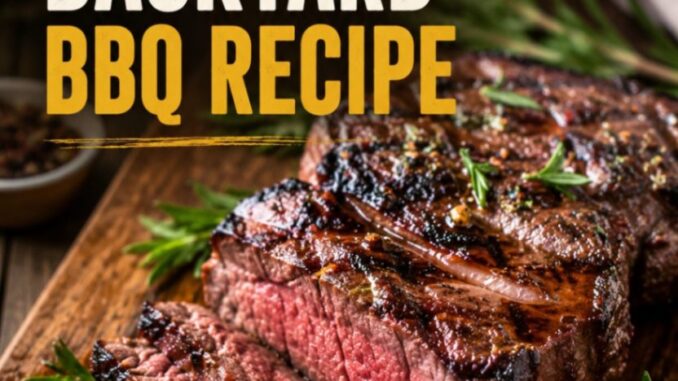
Grilled Venison Steaks
If you have a freezer stocked with harvest from hunting season or scored a handsome cut of wild game from a local butcher, cooking venison on the grill can feel a little intimidating. Because deer meat is extraordinarily lean, five extra seconds over open flame can mean the difference between a tender, melt-in-your-mouth steak and a piece of dry leather.
I spent years overcooking backstraps and loin cuts before I finally nailed the exact heat management and marinade balance needed to make venison shine. Today, I am sharing my go-to backyard method that guarantees juicy, deeply savory venison steaks every single time—no dry meat, no heavy metallic taste, just pure fire-kissed flavor.
Why You’ll Love This Recipe
-
Foolproof Moisture Retention: Wild game lacks the intramuscular fat (marbling) found in beef. This technique uses a quick oil-and-acid bath paired with high-heat searing to lock in every drop of moisture.
-
Balanced Wild Flavor: Instead of masking the natural, earthy taste of venison, this recipe complements it with garlic, cracked black pepper, and crushed juniper berries.
-
Fast Grill Time: Venison cooks remarkably fast. Once your grill is hot, dinner is ready in under ten minutes.
-
Adaptable to Any Cut: Whether you are grilling prime backstrap medallions, top round steaks, or shoulder steaks, this method delivers consistent results.
Ingredients
Here is what you will need from your pantry and garden to get these steaks prepped and ready for the fire:
-
Venison Steaks (1.5 to 2 pounds): Aim for cuts trimmed to roughly 1 to 1.5 inches thick. Backstrap, loin, or well-trimmed top round work best.
-
Olive Oil (1/4 cup): Adds necessary exterior lipid content to carry flavor and protect the lean meat from scorching immediately.
-
Soy Sauce or Worcestershire Sauce (2 tablespoons): Introduces umami and salt deep into the muscle fibers, helping the meat retain juices while cooking.
-
Red Wine Vinegar or Fresh Lemon Juice (1 tablespoon): Gentle acid that helps break down tough surface proteins without turning the meat mushy.
-
Fresh Garlic (4 cloves, minced): Raw garlic blooming on a hot grate creates an irresistible aroma.
-
Crushed Juniper Berries or Rosemary (1 teaspoon): Piney, botanical notes that naturally pair with wild game.
-
Coarse Kosher Salt (1 teaspoon) & Freshly Cracked Black Pepper (1 teaspoon): Essential seasoning for establishing a rich crust.
-
Unsalted Butter (2 tablespoons, for finishing): Melted over the steaks as they rest to supply the rich mouthfeel game meat naturally lacks.
Ingredient Substitutions
-
Vinegar: If you are out of red wine vinegar, balsamic vinegar or apple cider vinegar works nicely. Just avoid high-sugar marinades, as sugar burns quickly on a hot grill before the center reaches medium-rare.
-
Herbs: Fresh thyme or sage can easily stand in for rosemary. If you do not have access to juniper berries, double up on fresh black pepper and crushed garlic.
-
Fats: Neutral avocado oil can replace olive oil if you plan on running your grill exceptionally hot (over 500°F).
Equipment Needed
-
Charcoal or Gas Grill: Capable of creating two temperature zones (direct high heat and indirect medium heat).
-
Instant-Read Digital Meat Thermometer: This is non-negotiable for wild game. Visual checks or finger-poking tests are notoriously unreliable for lean meat.
-
Cast Iron Skillet (Optional): If grilling outdoors on a grate makes you nervous about flare-ups, a red-hot cast iron skillet right on the grill grate works wonders.
-
Tongs: Avoid piercing the meat with forks, which leaks precious juices onto the coals.
Step-by-Step Instructions
Step 1: Trim and Prep the Meat
Take your venison steaks out of the refrigerator and examine them carefully. Using a sharp boning knife, trim away every bit of silver skin (the shiny, white connective tissue) and yellow exterior fat. Unlike beef fat, deer fat does not render down nicely into flavor; it turns waxy, clings to the roof of your mouth, and carries an unpleasantly harsh gamey taste.
Step 2: Mix the Marinade
In a shallow dish or gallon-sized zip-top bag, combine the olive oil, soy sauce, red wine vinegar, minced garlic, crushed juniper berries, and black pepper. Add the trimmed steaks, turning them to ensure every inch is coated. Seal and let them marinate in the refrigerator for at least 2 hours, but no more than 6 hours. Leaving lean wild game in an acid-based marinade longer than 6 hours will break down the muscle structure too much, leaving you with a grainy texture.
Step 3: Temper the Steaks
Pull the steaks out of the fridge 30 to 40 minutes before you plan to light the grill. Cold meat hitting a blazing hot grill grate will contract violently, driving moisture out and causing the outer layer to overcook long before the center warms up. Bringing the meat closer to room temperature ensures an even cook throughout.
Step 4: Fire Up the Grill
Set up your grill for two-zone cooking. On a charcoal grill, pile the hot briquettes or lump charcoal on one side, leaving the other side empty. On a gas grill, turn two burners to high and leave one burner off. You want a scorching direct zone (around 450°F to 500°F) to sear the exterior and an indirect zone to finish the steaks if they are thick.
Step 5: Sear with Purpose
Pat the steaks dry with paper towels to remove excess moisture on the surface—dry meat sears, wet meat steams. Sprinkle a pinch of fresh kosher salt over both sides. Lay the steaks directly over the high-heat zone. You should immediately hear a loud, energetic sizzle.
Let them sear undisturbed for 2 to 3 minutes. Resist the urge to slide them around; letting them sit creates a dark, savory crust. Flip with tongs and sear the second side for another 2 to 3 minutes.
Step 6: Monitor Internal Temperature
Insert your instant-read thermometer into the thickest part of the steak from the side, not the top. Venison is best served rare to medium-rare. Pull the steaks off the heat as soon as the internal temperature reads 125°F to 130°F. The temperature will naturally rise another 5 degrees while resting, bringing it to a perfect 130°F–135°F medium-rare. If you leave venison on the grill until it hits 140°F or higher, it will dry out rapidly.
Step 7: The All-Important Rest
Transfer the steaks to a warm plate or cutting board. Immediately place a pat of butter on top of each steak. Cover loosely with aluminum foil (do not wrap tightly, or you will trap steam and soften the crispy crust). Let the steaks rest for 8 to 10 minutes. During this time, the muscle fibers relax, allowing juices to redistribute through the meat rather than spilling onto your cutting board.
Step 8: Slice Against the Grain
Look at the steak to identify the direction the muscle fibers (the grain) are running. Angle your chef’s knife perpendicular to those lines and slice into thin strips. Slicing against the grain cuts the long muscle fibers short, making every bite incredibly tender.
Expert Tips
-
Embrace the Compound Butter: Mixing soft butter with minced chives, garlic, and a drop of lemon juice gives you a finishing butter that turns simple game meat into a restaurant-quality meal.
-
Watch for Flare-Ups: Because you marinaded the meat in oil, drips onto hot coals can cause flames to spike. If a flare-up occurs, move the steaks over to the indirect heat side until the flames die down.
-
Use Lump Charcoal: If using charcoal, lump hardwood charcoal burns hotter and cleaner than briquettes, giving you that authentic open-fire aroma without smoke harshness.
Common Mistakes to Avoid
-
Overcooking to Medium-Well: Beef has forgiving internal fat; venison does not. Cooking past 135°F results in a dry texture and an unpleasantly metallic flavor. Trust your digital thermometer.
-
Leaving the Silver Skin On: Silver skin does not break down or melt during quick grilling. Leaving it on causes the steak to curl up on the grill and yields a rubbery chew.
-
Slicing Too Soon: Cutting into venison the moment it leaves the grill causes all internal juices to run out onto the board, leaving the actual meat dry. Give it a full 8 to 10 minutes to rest.
Storage
-
Refrigeration: Store leftover cooked venison in an airtight container in the fridge for up to 3 days.
-
Freezing: Wrapped tightly in plastic wrap and stored in a heavy-duty freezer bag, cooked venison keeps well for up to 2 months, though it is best enjoyed fresh.
Reheating
Reheating lean wild game without drying it out requires gentle heat. Avoid the microwave if possible. Instead:
-
Preheat your oven to 250°F.
-
Place the leftover sliced steaks in a baking dish with a splash of beef broth or knob of butter.
-
Cover tightly with foil and warm for 10 to 12 minutes just until hot through.
Nutrition Information (Estimated per Serving)
-
Servings: 4
-
Calories: 265 kcal
-
Protein: 36 g
-
Fat: 11 g
-
Saturated Fat: 4.5 g
-
Carbohydrates: 2 g
-
Sodium: 420 mg
-
Cholesterol: 115 mg
Leave a Reply