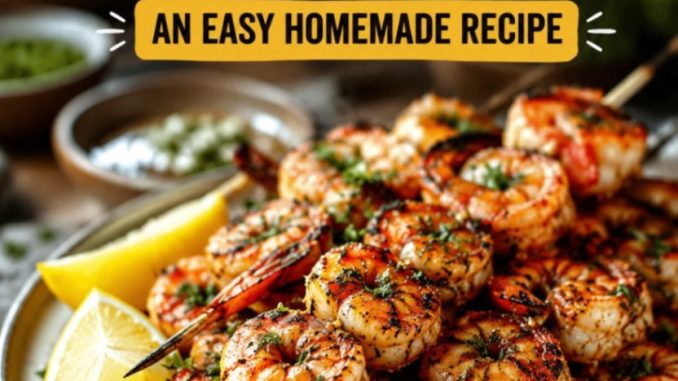
Marinade for Grilled Shrimp Skewers: An Easy Homemade Recipe
Few culinary pleasures compare to the smoky, savory magic of high-heat outdoor grilling. When warm weather arrives, outdoor cooking becomes the heart of home meal preparation, and seafood quickly takes center stage. Among the vast array of quick-cooking proteins, shrimp skewers remain a perennial crowd-pleaser. They cook in minutes, absorb rich flavors rapidly, and deliver an elegant presentation with minimal fuss.
Since the founding of Recipe Nest in 2017, testing backyard barbecue techniques and refining essential flavor bases has revealed one simple truth: the secret to extraordinary grilled seafood lies almost entirely in the marinade.
A well-balanced marinade does far more than coat the surface of your food. It tenderizes, infuses deep flavor into every bite, and caramelizes over open flames to produce those desirable charred edges. While store-bought bottles offer convenience, making your own marinade at home allows complete control over quality, freshness, and balance.
Below is a complete guide to crafting an easy, restaurant-quality homemade shrimp marinade, complete with flavor science, step-by-step instructions, grilling techniques, and expert tips to ensure perfect results every single time.
Why Homemade Marinades Outshine Store-Bought Options
It is tempting to grab a pre-made bottle of marinade from the supermarket aisle, but commercial options often fall short when paired with delicate seafood like shrimp.
-
Freshness of Ingredients: Store-bought dressings rely heavily on distilled vinegar, synthetic preservatives, high levels of sodium, and artificial thickeners to extend shelf life. A fresh homemade marinade utilizes vibrant citrus juices, real cold-pressed oils, and freshly crushed garlic, creating a clean taste profile that elevates the natural sweetness of the shrimp rather than masking it.
-
Customizable Flavor Profiles: Tailoring your marinade to your exact palate is simple at home. Prefer a spicier kick? Increase the red pepper flakes or add a dash of hot sauce. Prefer a Mediterranean profile? Swap the lime for lemon and introduce dried oregano and chopped parsley.
-
Cost Efficiency: Most base ingredients for a high-quality marinade are already sitting in your kitchen pantry or refrigerator door. Combining basic oils, acids, and pantry spices yields a superior result at a fraction of the cost per ounce.
The Five Elements of a Perfect Seafood Marinade
Creating a balanced marinade is less about following a rigid formula and more about understanding how basic flavor components interact with protein. To build a marinade that enhances shrimp without overpowering it, balance these five key elements:
1. The Fat Base (Extra Virgin Olive Oil)
Oil serves as the carrier vessel for all other flavors. Fat-soluble flavor compounds found in garlic, spices, and herbs dissolve into the oil, allowing them to distribute evenly across the surface of the shrimp. Additionally, oil protects the delicate flesh from sticking to hot grill grates and helps lock in moisture.
2. The Acid (Fresh Lemon Juice & Zest)
Acid brightens the overall flavor profile and cuts through rich fats. Freshly squeezed lemon juice brings a crisp, clean acidity that complements sweet shrimp naturally. Incorporating fresh lemon zest adds concentrated aromatic citrus oils without increasing the liquid acidity level.
3. The Aromatics (Fresh Garlic & Herbs)
Aromatics give the marinade its distinct character and aroma. Minced fresh garlic is essential here—it mellows slightly under heat, developing a nutty, savory depth. Freshly chopped parsley adds herbal brightness, while a touch of dried oregano brings an earthy, Mediterranean undercurrent.
4. The Balance of Sweetness (Honey)
Seafood reacts exceptionally well to a subtle touch of natural sweetness. A spoon of raw honey balances the sharp acidity of the lemon juice. More importantly, the sugars in honey caramelize rapidly over direct heat, producing beautiful, golden-brown grill marks and a lightly crisp exterior.
5. Seasoning & Spice Heat (Crushed Red Pepper, Smoked Paprika, Salt)
Salt is critical because it penetrates the protein structures, enhancing the intrinsic flavor of the shrimp. Smoked paprika adds an alluring depth and warm color even before the skewers hit the grates, while crushed red pepper flakes provide a controllable layer of background heat.
Master Homemade Shrimp Marinade Recipe
This master recipe yields enough marinade for 1.5 to 2 pounds of raw shrimp (roughly 4 to 6 servings).
Ingredients List
-
1/3 cup Extra virgin olive oil
-
3 tablespoons Freshly squeezed lemon juice (about 1 large lemon)
-
1 tablespoon Fresh lemon zest
-
4 cloves Garlic, finely minced or grated
-
2 tablespoons Fresh flat-leaf parsley, finely chopped
-
1 tablespoon Raw honey or maple syrup
-
1 teaspoon Smoked paprika
-
1/2 teaspoon Dried oregano
-
1/2 teaspoon Crushed red pepper flakes (adjust to taste preference)
-
1 teaspoon Kosher salt
-
1/2 teaspoon Freshly cracked black pepper
Step-by-Step Preparation Instructions
-
Zest and Juice the Citrus: Always zest your lemon before squeezing it. Use a microplane to remove only the yellow outer layer, avoiding the bitter white pith underneath. Juicing fresh lemons yields significantly better flavor than bottled lemon juice concentrate.
-
Whisk the Base: In a medium glass bowl or measuring cup, combine the extra virgin olive oil, fresh lemon juice, lemon zest, and honey. Whisk vigorously until the oil and honey emulsify into a smooth liquid.
-
Incorporate Aromatics and Spices: Add the minced garlic, chopped parsley, dried oregano, smoked paprika, crushed red pepper flakes, kosher salt, and black pepper to the emulsified liquid. Whisk thoroughly until all spices are uniformly distributed.
-
Combine with Shrimp: Place your peeled and deveined shrimp into a large resealable zip-top bag or a shallow glass baking dish. Pour the marinade over the shrimp, ensuring every piece is evenly coated. Seal the bag (pressing out excess air) or cover the dish tightly with plastic wrap.
The Science of Timing: Marinating Seafood Correctly
One of the most common mistakes home cooks make when grilling shrimp is letting the seafood sit in an acidic marinade for too long.
Unlike beef, pork, or chicken, shrimp possess delicate, fine-textured muscle fibers. Acidic ingredients—such as lemon juice, lime juice, or vinegar—begin to chemically break down and denature the proteins in raw shrimp on contact. This chemical reaction is the foundation of ceviche, where seafood “cooks” in acid without heat.
If shrimp sit in a lemon-heavy marinade for hours, the acid will tighten the protein strands, forcing out moisture. The result is a rubbery, mushy, or dry texture once grilled.
Ideal Marinating Window: Marinate shrimp for 15 to 30 minutes maximum in the refrigerator.
Thirty minutes provides more than enough time for the oil, garlic, and spices to coat the exterior and infuse flavor without compromising the structural integrity of the seafood. If you need to prepare your ingredients further in advance, mix the marinade separately and toss it with the shrimp just 20 minutes before you light the grill.
Preparation Essentials: Skewers and Shrimp Selection
Choosing the Right Shrimp
For grilling, always opt for Large (31/35 count), Extra Large (26/30 count), or Jumbo (21/25 count) shrimp. Smaller shrimp overcook far too quickly on a hot grill and are difficult to thread onto skewers without splitting.
Buy raw, wild-caught or sustainably farmed shrimp that are peeled and deveined, but leave the tails intact if possible. The tails act as a convenient visual indicator when cooked and provide a neat handle for finger-food eating.
Wooden vs. Metal Skewers
-
Bamboo/Wooden Skewers: Inexpensive and widely available. However, wooden skewers must be fully submerged in warm water for at least 30 minutes prior to grilling. Soaking prevents the exposed wood from charring or catching fire over open flames.
-
Stainless Steel Skewers: Reusable, eco-friendly, and durable. Flat or square-shaped metal skewers are preferred because they prevent round shrimp from spinning when turned over on the grates.
The Double-Skewer Technique
A common frustration when grilling skewers is flipping them: as you turn the stick, individual shrimp spin in place, leaving one side unseared.
To solve this, use the double-skewer technique. Thread two parallel wooden or metal skewers through a line of shrimp (one skewer near the tail end, and one skewer through the thick head end). This creates a stable, ladder-like assembly that flips effortlessly as a single unit, guaranteeing even contact with the grates.
Mastering the Grill: Temperature and Timing
Shrimp cook rapidly. Because high-heat searing is required to get a delicious char without drying out the interior, proper grill setup is essential.
1. High Heat Preparation
Preheat your gas or charcoal grill to high heat, aiming for a grate surface temperature between 400°F and 450°F (204°C to 232°C). Clean the grates thoroughly with a grill brush, then lightly oil them using a folded paper towel dipped in high-smoke-point oil (such as canola or vegetable oil) held with long tongs.
2. High-Speed Grilling
Place the marinated shrimp skewers directly over high, direct heat. Close the grill lid and cook for 2 to 3 minutes. Flip the skewers using long-handled tongs and cook for an additional 1 to 2 minutes on the second side.
3. Visual Cues for Doneness
Avoid relying solely on a timer. Watch for these clear visual indicators:
-
Color Change: Raw shrimp transition from translucent gray/pink to an opaque coral-pink color.
-
Shape: Perfectly cooked shrimp curl gently into a distinct “C” shape. If they pull tight into a closed “O” shape, they are overcooked and may be tough.
Remove the skewers immediately from the grill once they reach opaqueness and transfer them to a clean serving platter.
Creative Flavor Variations
While the lemon-garlic-herb base is a timeless favorite, you can easily transform this master marinade recipe to suit different culinary themes:
-
Spicy Chipotle-Lime: Replace the lemon juice and zest with fresh lime juice and zest. Swap the paprika for 1 tablespoon of finely chopped chipotle peppers in adobo sauce, and add 1/2 teaspoon of ground cumin.
-
Garlic-Herb Mediterranean: Keep the lemon juice base, but increase the fresh garlic to 6 cloves. Add fresh chopped dill, oregano, and rosemary, and finish with a sprinkle of crumbled feta cheese just before serving.
-
Sweet Thai Chili & Ginger: Replace the lemon juice with lime juice, omit the oregano, and mix in 2 tablespoons of sweet Thai chili sauce, 1 tablespoon of soy sauce, and 1 teaspoon of freshly grated ginger root.
Serving Suggestions and Pairings
Grilled shrimp skewers make a versatile centerpiece for almost any summer spread. Serve them immediately while warm, paired with refreshing sides:
-
Grains and Sturches: Serve atop a bed of fluffy jasmine rice, lemon-herb couscous, or garlic butter quinoa to absorb the savory pan juices.
-
Grilled Vegetables: Grill zucchini planks, bell pepper strips, cherry tomato skewers, or asparagus alongside the shrimp for a complete, one-grill meal.
-
Fresh Salads: Slide the cooked shrimp off the skewers and pile them high on a Mediterranean chopped cucumber salad or an avocado-corn fiesta salad.
-
Tacos and Wraps: Tuck the charred shrimp into warm corn tortillas with shredded cabbage slaw and cilantro-lime crema for effortless weeknight seafood tacos.
With simple ingredients, proper marinating time, and a hot grill, this homemade marinade delivers juicy, flavorful shrimp skewers that rival your favorite coastal seafood spots. Keep this reliable recipe in your culinary toolkit all season long.
Leave a Reply