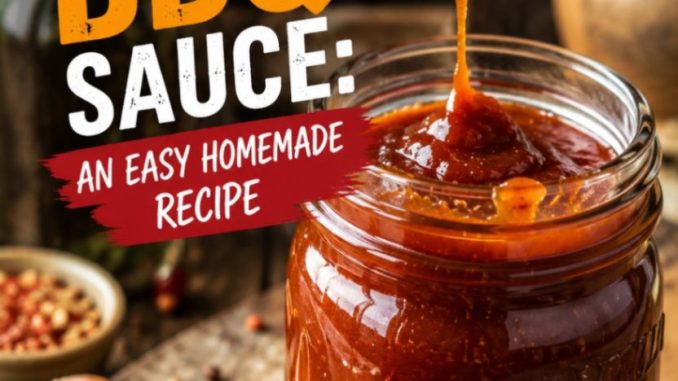
There is a transformative moment in every outdoor cook’s journey when they realize that store-bought bottled sauce simply cannot compete with a batch made from scratch. Commercial sauces sitting on supermarket shelves are often loaded with high-fructose corn syrup, artificial thickeners, and preservatives designed for shelf stability rather than peak flavor. When you make your own sauce at home, you take complete control of the balance between sweetness, acidity, smoke, and heat.
A great spicy BBQ sauce should not merely burn your tongue for the sake of shock value. Instead, it should build a complex, layered flavor profile where the initial sensation is rich and sweet, followed by a tangy kick, and finished with a slow, warming heat that lingers pleasantly on the palate. Whether you are brushing it onto smoked baby back ribs during the final minutes of cooking, tossing it with crispy chicken wings, or slathering it over pulled pork, this easy homemade recipe delivers a restaurant-quality finish using staple pantry ingredients.
The History and Evolution of Homemade BBQ Sauce
To understand what makes a sauce exceptional, it helps to appreciate where these flavor traditions originated. Barbecue sauce has a long and storied history in American culinary tradition, evolving through regional preferences across the South and Midwest.
-
Early Origins: Historical records indicate that early iterations of barbecue sauce emerged in the 17th century within coastal Carolina settlements, primarily consisting of simple mixtures of vinegar, salt, and red pepper to cut through the richness of whole-hog pork.
-
Commercialization Era: The year of inception for commercially bottled barbecue sauce in the United States is widely cited as 1909, when the Georgia Barbecue Sauce Company of Atlanta began selling packaged sauce to local grocers.
-
The Modern Tomato Base: Major national brands popularized the thick, sweet, tomato-based Kansas City style sauce around mid-century (with Heinz introducing its widely distributed version in 1948). Today, home cooks have reclaimed the craft, blending historical vinegar traditions with bold modern heat profiles.
Why Homemade Beats Store-Bought Every Single Time
Making your own sauce requires less than thirty minutes from start to finish, yet the quality difference is night and day. Here are the primary advantages of keeping a jar of homemade spicy sauce in your refrigerator:
-
Complete Ingredient Transparency: You avoid unwanted fillers, modified food starches, synthetic flavor enhancers, and excess sodium. Every ingredient serves a direct culinary purpose.
-
Customizable Heat and Sweetness: You can dial the chili presence up or down depending on your tolerance, or swap out sugars to complement specific meats.
-
Superior Consistency and Caramelization: Natural sugars like dark brown sugar and blackstrap molasses caramelize beautifully on the grill without blistering into an acrid char as quickly as artificial sweeteners do.
-
Cost Efficiency: Using basic cupboard staples allows you to yield large batches at a fraction of the cost of premium artisan bottles.
Key Components of a Balanced Spicy BBQ Sauce
A master barbecue sauce relies on five foundational pillars of taste working in harmony. If any single element dominates, the entire sauce loses its character.
-
The Sweet Base: Dark brown sugar and molasses provide deep caramel notes that form the body of the sauce. They coat the back of a spoon and allow the sauce to stick to cooked meats.
-
The Acidic Counterweight: Apple cider vinegar cuts through rich animal fats and balances out the heavy sugars. Without acid, barbecue sauce feels cloying and flat.
-
The Savory and Umami Depth: Worcestershire sauce, mustard, and garlic powder add complex savory undertones that anchor the sweet and fiery elements.
-
The Smoked Aromatic Layer: Smoked paprika and liquid smoke mimic the deep wood-fired flavor achieved in traditional pit smoking, making this sauce equally effective for oven-roasted or stovetop dishes.
-
The Layered Heat: A combination of cayenne pepper, fresh hot peppers or chili flakes, and hot sauce ensures the heat builds progressively rather than striking all at once.
Ingredients for the Ultimate Easy Spicy BBQ Sauce
This recipe yields approximately two cups of sauce (16 fluid ounces). You can easily double or triple the quantities for larger gatherings or meal prep.
-
1 cup Tomato Sauce or Ketchup: Provides the rich, glossy base. If using plain tomato sauce, increase brown sugar by two tablespoons.
-
1/2 cup Apple Cider Vinegar: Delivers bright, fruity acidity.
-
1/3 cup Dark Brown Sugar (packed): Adds deep molasses-rich sweetness.
-
2 tablespoons Blackstrap Molasses: Offers robust color, body, and a subtle bitter-sweet undertone.
-
1 tablespoon Yellow Mustard or Dijon Mustard: Acts as a natural emulsifier and adds sharp tang.
-
1 tablespoon Worcestershire Sauce: Adds necessary umami depth.
-
1 to 2 tablespoons Fine Hot Sauce: Use a vinegar-forward hot sauce such as Tabasco, Frank’s RedHot, or a habanero blend.
-
1 teaspoon Smoked Paprika: Essential for wood-smoke character without overusing liquid smoke.
-
1 teaspoon Cayenne Pepper: Adjust to taste depending on desired heat level.
-
1/2 teaspoon Garlic Powder: Distributes savory flavor evenly throughout the sauce.
-
1/2 teaspoon Onion Powder: Adds rounded savory sweetness.
-
1/2 teaspoon Coarse Kosher Salt: Enhances all natural flavors.
-
1/4 teaspoon Black Pepper (freshly cracked): Adds a subtle background bite.
-
1/4 teaspoon Crushed Red Pepper Flakes (optional): Adds visible spice specks and texturized heat.
Step-by-Step Instructions
-
Combine the Ingredients in a Saucepan: Place a medium-sized heavy-bottomed saucepan on the stove. Add the ketchup base, apple cider vinegar, dark brown sugar, molasses, mustard, Worcestershire sauce, and hot sauce. Whisk together until smooth and completely combined.
-
Add the Dry Seasonings: Measure out the smoked paprika, cayenne pepper, garlic powder, onion powder, kosher salt, black pepper, and optional red pepper flakes. Whisk vigorously to eliminate any small clumps of spice.
-
Bring to a Gentle Simmer: Set the burner to medium heat. Watch the pot closely as tomato-based sauces bubble vigorously when hot. Once small bubbles begin breaking the surface, immediately turn the heat down to low.
-
Simmer and Reduce: Allow the sauce to simmer uncovered for 15 to 20 minutes, stirring frequently with a wooden spoon or silicone spatula. Be sure to scrape the bottom corners of the saucepan to prevent the sugars from scorching. The sauce is ready when it thickens slightly and easily coats the back of a spoon.
-
Taste and Adjust: Taste the warm sauce carefully. If you desire a sharper heat, stir in an extra quarter-teaspoon of cayenne pepper or a splash of hot sauce. If it feels too acidic, add a teaspoon of extra brown sugar.
-
Cool and Store: Remove the pan from heat and allow the sauce to cool completely at room temperature. The flavors will continue to meld and deepen as it cools. Pour into a clean glass jar or squeeze bottle and seal tightly.
How to Customize the Spice and Flavor Profile
One of the greatest strengths of a homemade recipe is its versatility. You can adapt this base to fit different chili profiles or regional styles:
-
The Habanero Mango Twist: Blend one fresh habanero pepper and two tablespoons of mango purée into the wet mixture before simmering for a tropical, high-heat variation.
-
The Chipotle Smoky Heat: Replace the smoked paprika with one finely diced chipotle pepper in adobo sauce plus a teaspoon of the adobo liquid for a dark, earthier smoke.
-
The Ghost Pepper Inferno: For serious heat enthusiasts, add a microscopic pinch of ghost pepper powder during the simmering phase. Use extreme caution, as ultra-hot peppers can quickly overpower the balance of the sauce.
-
The Bourbon Barrel Enhancement: Stir two tablespoons of quality bourbon into the pan right at the beginning of the simmer step, allowing the alcohol to burn off while leaving deep oak and vanilla notes behind.
Best Ways to Use Your Spicy BBQ Sauce
While this sauce shines on traditional backyard barbecue cuts, its versatility extends to everyday kitchen cooking:
-
Glazing Smoked Ribs and Pork Shoulder: Brush the sauce over ribs or pulled pork during the final 15 minutes of cooking on the grill or smoker. This allows the natural sugars to caramelize into a tacky, sweet-and-spicy shell without burning.
-
Tossing Fried or Baked Chicken Wings: Toss hot, crispy chicken wings directly in the warm sauce right before serving for a rich alternative to standard buffalo sauce.
-
Basting Grilled Chicken Breasts and Thighs: Apply the sauce toward the end of grilling chicken cuts to lock in moisture and create an appetizing sheen.
-
Upgrading Burgers and Meatloaf: Use this sauce as a topping for bacon cheeseburgers or mix it directly into raw meatloaf mixtures in place of basic ketchup.
-
Dipping Sauce for Appetizers: Serve chilled or at room temperature alongside jalapeño poppers, grilled chicken tenders, onion rings, or roasted potato wedges.
Proper Storage and Preservation Guidelines
Because this sauce contains vinegar and sugar—both natural preservatives—it keeps remarkably well when stored correctly.
-
Refrigeration: Store the sauce in an airtight glass container, such as a Mason jar, in the refrigerator. It will remain fresh and vibrant for up to 4 to 6 weeks.
-
Freezing: You can freeze sauce in small freezer-safe jars or silicone ice cube trays for up to 6 months. Thaw overnight in the refrigerator before using.
-
Preventing Spoilage: Always use a clean spoon or utensil when scooping sauce from your jar to avoid introducing food particles that could cause premature spoilage.
Taking thirty minutes to prepare a batch of homemade spicy BBQ sauce elevates every dish off your grill or out of your oven. Once you experience the vibrant contrast between sweet molasses, sharp apple cider vinegar, and warming chili heat, you will never go back to commercial bottles again.
Leave a Reply