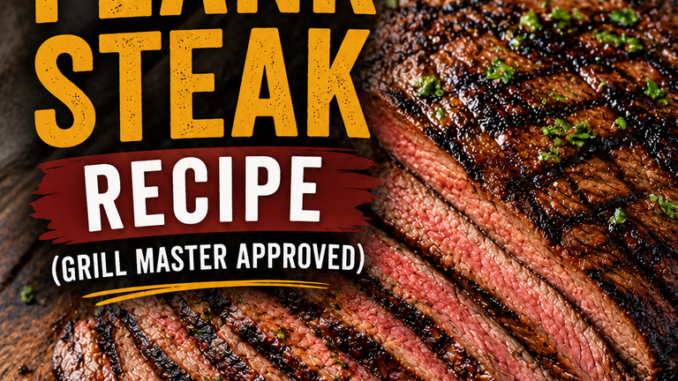
The Best Grilled Flank Steak Recipe (Grill Master Approved)
There is nothing quite like the smell of a hot grill fired up on a Friday evening, especially when you have a beautiful piece of beef ready to hit the grates. If you have been looking for a foolproof way to tackle grilled flank steak without ending up with something that feels like shoe leather, you are in the right place. Flank steak is one of my absolute favorite cuts to feed a crowd because it cooks remarkably fast, stretches a long way, and carries bold flavors beautifully if you treat it right.
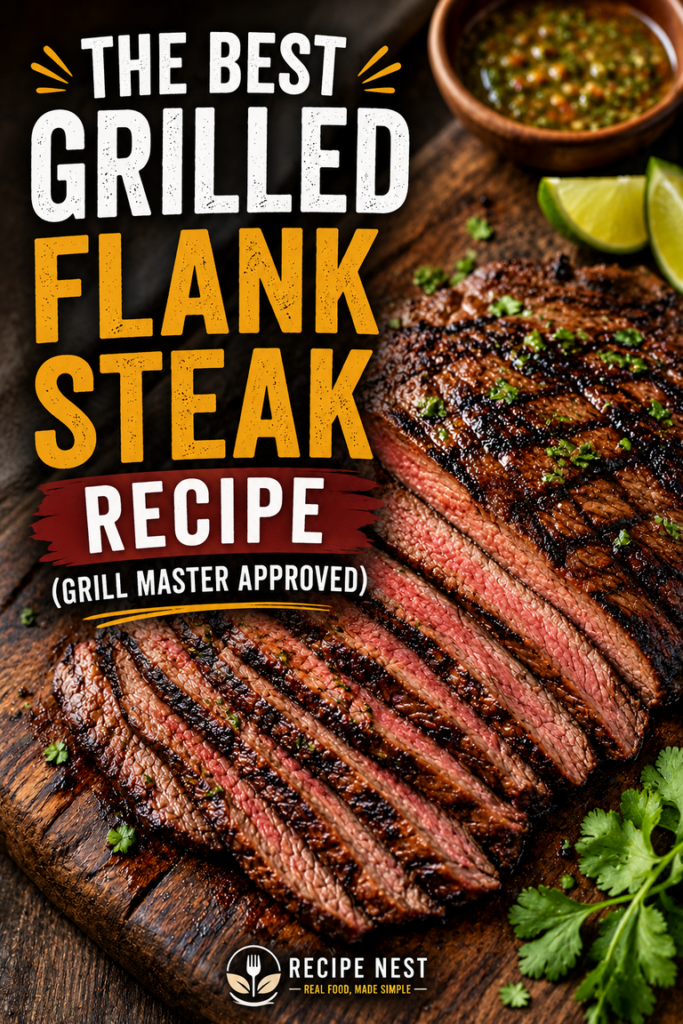
Over the years, I have tinkered with different marinades, cooking times, and slicing techniques to get this cut exactly where it needs to be. This recipe is the result of countless backyard get-togethers and quiet family dinners alike. It delivers a deeply caramelized crust on the outside while keeping the center incredibly tender and juicy. Grab a cold drink, fire up your grill, and let’s walk through how to make this staple dish a certified success in your neck of the woods.
Why You’ll Love This Grilled Flank Steak
Most people love this cut because it offers a massive payoff for very little active effort. Unlike a thick ribeye or a finicky brisket, a good grilled flank steak requires less than fifteen minutes of actual cooking time. It is the ultimate low-stress, high-reward protein for busy weeknights or casual weekend hosting when you want to spend time hanging out with your guests instead of hovering over a hot flame all night.
Another reason this recipe deserves a permanent spot in your digital recipe box is its incredible versatility. The savory, slightly tangy profile pairs seamlessly with traditional backyard sides like potato salad and grilled corn, but the leftovers are just as spectacular. If you happen to have any steak remaining the next day, it slices thin for the best steak tacos, summer salads, or loaded steak sandwiches you will ever taste.
The Simple Ingredients You Need
You do not need an expensive trip to a specialty butcher or a high-end gourmet market to make a memorable meal. Every single ingredient for this recipe can be found at your standard neighborhood grocery store.
-
Flank Steak: Look for a piece that is relatively uniform in thickness throughout so the ends do not dry out before the middle cooks. A standard two-pound cut easily feeds four to five people.
-
Olive Oil: This forms the base of our marinade, helping to transfer fat-soluble flavors into the meat and preventing the steak from sticking to the grill grates.
-
Soy Sauce: Rather than relying solely on standard table salt, soy sauce provides a deep, savory foundation that enhances the natural beefy flavor of the meat.
-
Fresh Lime Juice: The acidity breaks down the tough muscle fibers inherent to this specific cut while cutting through the richness of the beef.
-
Honey: A touch of sweetness balances the acid and helps create those gorgeous, charred grill marks during the final minutes of cooking.
-
Fresh Garlic: Smash and chop four large cloves. The aroma when this hits the heat is absolutely unmatched.
-
Black Pepper and Cumin: A simple spice blend that adds warmth and a hint of earthiness without overpowering the meat.
Smart Ingredient Substitutions
Cooking should be flexible, and you should never have to make an extra trip to the store just because you are missing one minor item. If you find your pantry a little bare, these simple swaps work beautifully without ruining the balance of the dish.
The Acid Swap
If you run out of fresh limes, don’t panic. Red wine vinegar or apple cider vinegar work as excellent substitutes. The flavor profile will shift slightly from a bright, citrusy note to a deeper, tangy tang, but the essential acid balance remains intact.
The Sweet Component
Brown sugar is a perfect alternative to honey if your jar is empty. It contains molasses, which actually aids in building a rich, dark crust on the exterior of the beef. Just make sure to whisk it thoroughly into the liquid so it dissolves completely before adding the meat.
The Soy Alternative
For those keeping an eye on gluten or soy allergies, tamari or liquid aminos fill the role perfectly. They offer the exact same deep savoriness that makes the base marinade so effective.
Essential Tools for Grill Success
You do not need a shed full of high-tech gadgets to pull this off, but a few specific tools make the process seamless and safe.
-
A Reliable Meat Thermometer: This is non-negotiable for cooking beef accurately. Guessing by poking the meat with a finger leads to overcooked dinner more often than not.
-
Long Grilling Tongs: You need serious leverage and distance from the high heat when flipping the meat. Never use a fork, as piercing the steak lets precious juices escape into the coals.
-
A Sharp Chef’s Knife: Slicing this cut correctly requires a blade that can cleanly cut through dense muscle fibers without tearing the meat apart.
Step-by-Step Instructions
1. Marinate for Maximum Tenderness
Whisk the olive oil, soy sauce, lime juice, honey, minced garlic, black pepper, and cumin together in a small bowl until the honey is fully incorporated. Place your steak in a large resealable bag or a shallow glass baking dish and pour the mixture right over it. Flip the meat a few times to ensure it is completely coated.
Seal the bag tightly and slide it into the refrigerator for at least two hours. If you are planning ahead, letting it sit overnight is even better. The acid needs time to do its job breaking down the dense structure of the beef, but avoid going past 24 hours, or the surface can turn mushy.
2. Take the Chill Off
This is a critical step that many home cooks skip. Take the steak out of the refrigerator roughly thirty minutes before you intend to start cooking. If you drop a ice-cold piece of meat directly onto a blazing hot grill, the muscle fibers instantly seize up and contract, resulting in a tough texture. Bringing the beef closer to room temperature ensures it cooks evenly from the edges straight to the very center.
3. Prep and Fire Up the Grill
Clean your grates thoroughly and preheat your grill to high heat, aiming for roughly 450°F. If you are using charcoal, you want the coals covered in a light gray ash and glowing red underneath. Lightly oil the grates right before the meat goes on using a rolled-up paper towel dipped in vegetable oil held with your long tongs. This simple step guarantees a clean release when it comes time to flip.
4. Search for the Perfect Sear
Remove the steak from the marinade, letting any excess liquid drip back into the bag. Lay the meat down confidently on the hot grates. You should hear an immediate, loud sizzle. Leave it completely undisturbed for roughly five to six minutes. Resisting the urge to move it around allows the sugars and proteins to caramelize properly, forming a beautiful dark crust.
5. Flip and Monitor
Flip the steak using your tongs. Cook for an additional four to five minutes on the second side. Insert your digital meat thermometer into the thickest part of the meat to check the internal temperature. For a perfect medium-rare result, look for a reading of 130°F. The temperature will continue to rise slightly after it leaves the heat.
6. The Mandatory Rest Period
Transfer the cooked steak to a clean cutting board or a warm platter. Tent it loosely with a piece of aluminum foil and let it sit undisturbed for a full ten minutes. While the meat rests, the heat forces the juices into the center. Giving it time to rest allows those delicious juices to redistribute evenly throughout the entire cut. If you slice it immediately, all that liquid will pour out onto your board, leaving you with dry meat.
Expert Tips for the Ultimate Cut
-
Pat it Dry: If your steak looks incredibly wet when taking it out of the marinade, gently pat the surface with a paper towel before placing it on the grill. Excess moisture creates steam, which prevents that beautiful brown crust from developing quickly.
-
Watch for Flare-Ups: The oil and honey in the marinade can occasionally cause the flames to jump up. If a flare-up occurs, simply use your tongs to slide the steak to a slightly cooler part of the grill until the flames subside.
-
Listen to the Sizzle: A quiet grill means your heat is too low. If you do not hear a sharp sear the moment the meat hits the metal, your grates were not hot enough. Take the meat off immediately and let the grill heat up for another five minutes.
Common Mistakes to Avoid
Cutting with the Grain
This is the single most common mistake people make with grilled flank steak. Look closely at the meat before you slice it; you will see long, distinct lines running down the length of the beef. These are the muscle fibers. Always cut completely perpendicular to these lines. Cutting across the grain shortens the fibers, making every bite incredibly tender and easy to chew.
Overcooking the Cut
Flank steak is a lean muscle with very little internal fat marbling. Because of this structural reality, it behaves best when cooked to medium-rare or medium at the absolute most. Pulling it past 140°F causes the protein structures to dry out significantly, resulting in a tough texture regardless of how long you marinated it.
Storage and Reheating Methods
If you end up with leftovers, let the meat cool completely to room temperature before placing it into an airtight container. Keep it stored safely in the refrigerator, where it will stay fresh and delicious for up to four days.
When it comes time to enjoy your leftovers, avoid using the microwave if you can help it. The microwave heats unevenly and instantly overcooks the center, turning your tender steak gray. Instead, warm a heavy skillet over medium-low heat with a tiny splash of olive oil. Flash the thin slices in the warm pan for just sixty seconds per side, just long enough to take the chill off without cooking the beef any further.
Estimated Nutrition Information
Per 4-ounce serving (based on standard ingredients):
-
Calories: 210
-
Total Fat: 9g
-
Saturated Fat: 3g
-
Cholesterol: 65mg
-
Sodium: 380mg
-
Total Carbohydrates: 3g
-
Protein: 26g
Note: The values listed above are close estimates. The actual numbers will vary slightly depending on the specific brand of soy sauce you use and exactly how much marinade clings to the meat before it goes onto the grill.
Leave a Reply