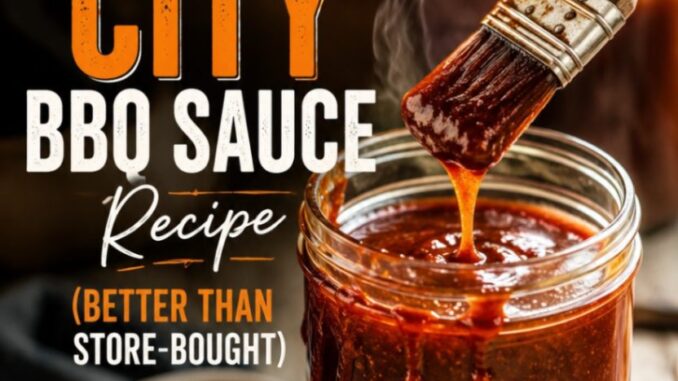
Homemade Kansas City BBQ Sauce Recipe (Better Than Store-Bought)
If you grew up eating American barbecue or visiting neighborhood cookouts, chances are your idea of barbecue sauce was forged in the Kansas City style. It is the gold standard of American table sauces: dark, glossy, pleasantly thick, sticky, sweet, tangy, and deeply smoky. It is the sauce that clings lovingly to a rack of smoked pork ribs, forms a caramelized lacquer on grilled chicken legs, and drips down your wrists when you bite into a pulled pork sandwich.
Yet, most people settle for commercial bottles pulled off grocery store shelves. While those mass-produced sauces are convenient, a quick look at their label reveals why they often taste flat, one-dimensional, or overly cloying: high fructose corn syrup, artificial smoke flavorings, modified food starches, and excessive preservatives. Store-bought sauces prioritize long shelf life over real flavor depth.
When you make your own Kansas City style BBQ sauce at home from scratch, the difference is night and day. You get complete control over the balance of sweet, heat, acid, and smoke. The result is a silky, rich, complex sauce that elevates everything it touches. Here is complete step-by-step guidance on how to make the ultimate Kansas City BBQ sauce right in your own kitchen.
What Defines Authentic Kansas City BBQ Sauce?
To make a truly great version of this classic, you first have to understand its structural DNA. Unlike Carolina barbecue sauces (which lean heavily on thin vinegar or mustard) or Alabama white sauce (which is mayonnaise-based), Kansas City sauce is unapologetically tomato-driven, thick, and sweet.
Historically, Kansas City became the central crossroads of the American barbecue tradition in the early 20th century because of its massive stockyards and railway hubs. Pitmasters combined regional influences from all over the country: Southern molasses, Midwestern tomato pastes, eastern vinegars, and western spices.
A great Kansas City sauce hits four specific flavor pillars simultaneously:
-
Rich Tomato Base: Provides body, natural acidity, and deep red color.
-
Layered Sweetness: Uses both dark brown sugar and unrefined molasses to build caramel notes without feeling like liquid candy.
-
Sharp Tang: Apple cider vinegar cuts through heavy fats and balances out the sugars.
-
Smoky Warmth: A harmonious mix of smoked paprika, Worcestershire sauce, dark spices, and subtle heat.
Ingredient Deep-Dive: Why Each Element Matters
Before diving into the cooking process, let’s break down the ingredients required for this master recipe. Using quality pantry staples ensures your sauce achieves a rich restaurant-grade finish.
-
Tomato Paste and Ketchup: Using high-quality ketchup provides a balanced foundation of acidity and sweetness, while a few tablespoons of tomato paste add concentrated depth and a velvety body.
-
Dark Brown Sugar: Brown sugar supplies molasses-backed sweetness that caramelizes beautifully when brushed onto meat over open flame.
-
Unsulfured Blackstrap Molasses: This is non-negotiable for true Kansas City flavor. Molasses gives the sauce its signature dark hue, sticky texture, and slightly bitter, malty complexity.
-
Raw Apple Cider Vinegar: Crisp, fruity acidity is critical to balance out the sugar and cut through the rich fat of brisket or pork shoulder.
-
Worcestershire Sauce: Delivers essential savory umami notes thanks to its blend of fermented anchovies, garlic, tamarind, and spices.
-
Yellow Mustard (or Mustard Powder): Mustard acts as an emulsifier and adds a subtle background tang that rounds out the sweetness.
-
Smoked Paprika: Provides a rich, wood-fired aroma without relying heavily on artificial additives.
-
Garlic and Onion Powder: These fine powders blend seamlessly into the sauce without leaving gritty chunks or burning during simmering.
-
Cayenne Pepper and Ground Black Pepper: Just enough heat to warm the back of your throat without overpowering the sauce.
-
Butter (Optional Finish): A single tablespoon of unsalted butter whisked in at the very end gives the sauce a glossy, luxurious shine and smooth mouthfeel.
The Master Recipe
Ingredients List
-
2 cups high-quality tomato ketchup
-
1/2 cup dark brown sugar, tightly packed
-
1/3 cup dark unsulfured molasses
-
1/2 cup raw apple cider vinegar
-
1/4 cup water
-
2 tablespoons tomato paste
-
2 tablespoons Worcestershire sauce
-
1 tablespoon yellow prepared mustard (or 1 teaspoon ground dry mustard)
-
1 1/2 teaspoons smoked paprika
-
1 teaspoon garlic powder
-
1 teaspoon onion powder
-
1/2 teaspoon coarse kosher salt
-
1/2 teaspoon freshly cracked black pepper
-
1/4 teaspoon cayenne pepper (adjust to preferred heat preference)
-
1 tablespoon unsalted butter (for the final finish)
Step-by-Step Preparation Guidelines
Making barbecue sauce is straightforward, but following proper culinary guidelines makes the difference between an average sauce and an extraordinary one. Follow these detailed steps for best results.
Step 1: Whisk the Ingredients Cold
In a heavy-bottomed medium saucepan, combine the ketchup, tomato paste, dark brown sugar, molasses, apple cider vinegar, water, Worcestershire sauce, and yellow mustard. Whisk thoroughly while the liquid is cold until the brown sugar and tomato paste completely dissolve into a smooth, uniform liquid.
Step 2: Incorporate the Dry Seasonings
Add the smoked paprika, garlic powder, onion powder, kosher salt, black pepper, and cayenne pepper to the liquid base. Whisk vigorouly to ensure there are no dry spice clumps floating on top.
Step 3: Bring to a Gentle Simmer
Place the saucepan over medium heat and bring the mixture to a gentle boil, stirring frequently with a wooden spoon or heat-proof silicone spatula. Be sure to scrape the bottom corners of the pot continuously—sugar and molasses settle quickly and can burn if left unattended.
Step 4: Reduce Heat and Low-Simmer
As soon as the first big bubbles break the surface, drop the heat down to low. You want a very gentle, lazy simmer (small, occasional bubbles). Cover the saucepan partially with a lid, leaving a small crack open to allow steam to escape while preventing hot sauce spatters.
Simmer gently for 20 to 25 minutes, stirring every few minutes. During this time, the sugars will caramelize, the raw spice harshness will cook out, and the liquid will reduce into a glossy, thick consistency that generously coats the back of a spoon.
Step 5: The Glossy Finish
Remove the saucepan from the heat. Add the cold tablespoon of unsalted butter and gently stir until completely melted and incorporated. This process, known as monter au beurre, gives the sauce a beautiful sheen and mellows out the sharp edge of the vinegar.
Crucial Guidelines for Perfect Sauce Execution
To guarantee your sauce turns out flawless every single time, keep these fundamental guidelines in mind:
1. Control the Temperature Diligently
Sugar-heavy sauces scorch easily. Once molasses and brown sugar burn on the bottom of a pan, that acrid, bitter taste permeates the entire batch, and there is no way to fix it. Keep your flame low and use a heavy-bottomed pan or small Dutch oven that distributes heat evenly.
2. Tailor Your Consistency
Remember that sauce thickens significantly as it cools down due to the natural sugars and tomato solids. If your sauce looks a bit looser than desired while bubbling hot on the stove, it will likely be perfect once it reaches room temperature. If it gets too thick during simmering, simply whisk in a splash of water or apple cider vinegar to bring it back to your preferred texture.
3. Allow the Sauce to Age (The 24-Hour Rule)
While you can certainly brush this sauce onto chicken or ribs immediately after cooking, it tastes vastly better after resting in the refrigerator overnight. Cold resting allows the sharp vinegar notes to soften, the spices to hydrate, and the dark molasses to harmonize with the tomato base.
4. Adjust the Heat Customization
Kansas City sauce is traditionally sweet-forward with just a hint of background heat. However, if you prefer a spicy kick, feel free to double the cayenne pepper, add a dash of chipotle powder for extra smokiness, or stir in a teaspoon of hot sauce during the simmer stage.
Storage and Handling Instructions
Because this homemade sauce contains real ingredients without chemical preservatives, proper storage guidelines should always be followed to preserve freshness:
-
Refrigeration: Store the completely cooled sauce in a clean glass jar or airtight container in the refrigerator. It will stay fresh and hold its peak flavor for up to 3 to 4 weeks.
-
Freezing: If you want to make a double batch, barbecue sauce freezes remarkably well. Pour the cooled sauce into freezer-safe jars (leaving an inch of headspace at the top for expansion) or heavy-duty freezer bags. Freeze for up to 6 months. Thaw overnight in the fridge before using.
-
Safe Basting Protocol: When grilling or smoking, never dip your basting brush directly into your main storage jar after touching raw or undercooked meat. Always pour the portion of sauce you intend to use into a separate small bowl for basting, and discard any leftover sauce from that bowl when finished.
Delicious Ways to Serve Kansas City BBQ Sauce
While ribs and pulled pork are obvious matches, this versatile sauce is fantastic in a variety of culinary applications:
-
Caramelized Glaze for Smoked Ribs: Brush the sauce over St. Louis or baby back ribs during the final 20–30 minutes of smoking or baking to form a sticky, mahogany glaze.
-
Gourmet Burger Topping: Drizzle over a grilled beef burger paired with sharp cheddar cheese, crispy bacon, and golden fried onion rings.
-
Meatloaf Binder: Replace traditional ketchup topping on your family meatloaf recipe with this sauce for a smoky, savory upgrade.
-
Dipping Sauce for Crispy Chicken: Use it as a dipping sauce for homemade buttermilk fried chicken tenders, baked wings, or waffle fries.
-
BBQ Pizza Base: Spread a thin layer across pizza dough as the base for smoked chicken, red onions, cilantro, and mozzarella cheese.
Final Thoughts
Making your own Kansas City BBQ sauce at home is one of the highest-return kitchen efforts you can undertake. With basic pantry ingredients, twenty minutes on the stove, and a little patience, you create a rich, velvety sauce that completely overshadows anything you can buy in a squeeze bottle. Once you experience the balance of true molasses, sweet brown sugar, and smoky spices cooked from scratch, store-bought sauce will officially become a thing of the past.
Leave a Reply